
EDUCATIONAL KNOWLEDGE ABOUT USA LOAN
What We Do
Our projects
Personal, business & students loan.
usa business, personal, student loan.
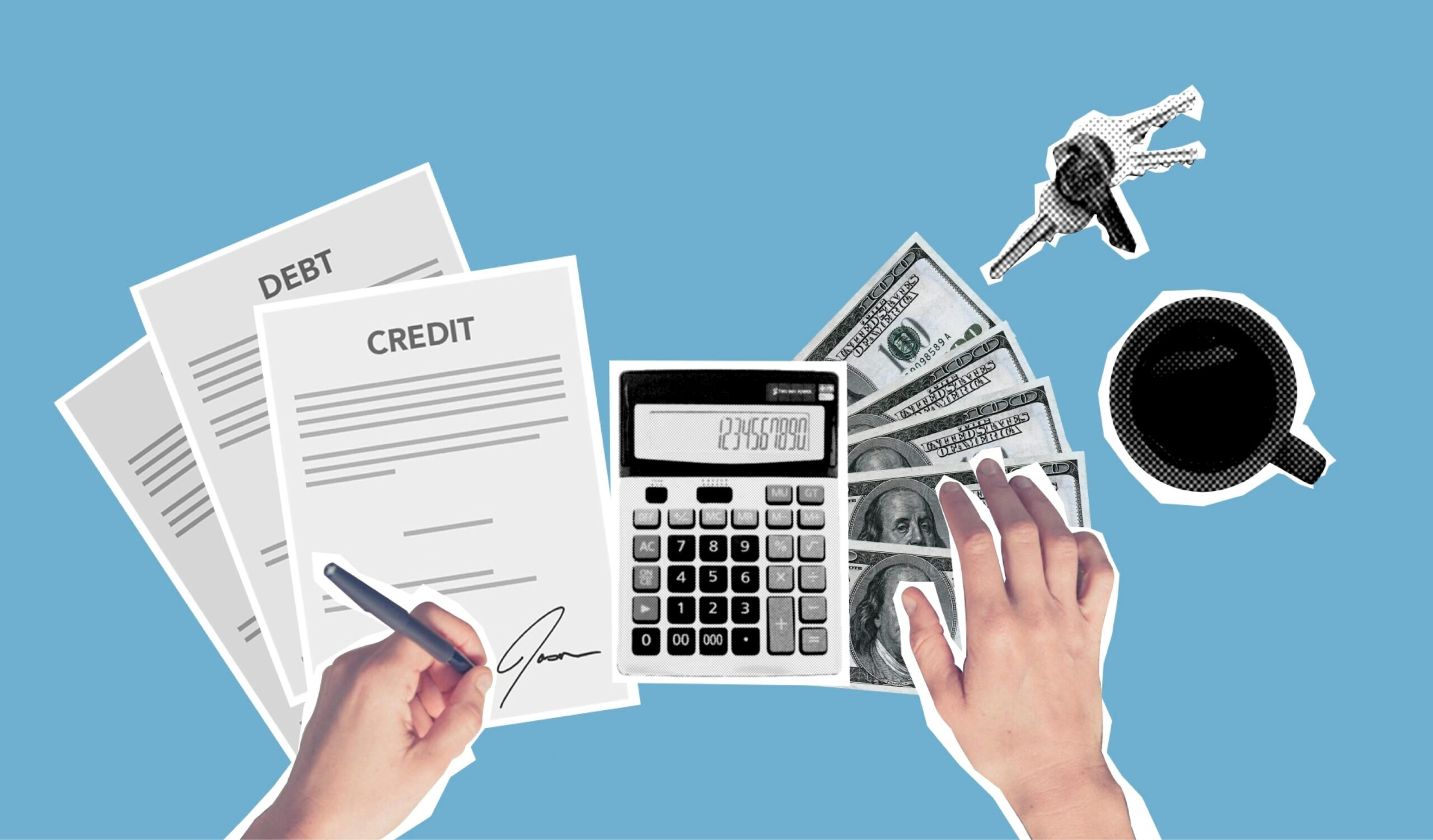
WHAT YOU SHOULD LOOK FOR IN ANY PERSONAL LOAN
From my experience, these are the key things you should focus on:
- Interest rates (APR) – This affects how much you repay
- Loan terms – Shorter terms mean higher payments but less interest
- Fees – Watch out for hidden charges
- Flexibility – Can you repay early without penalties?
Trust me, paying attention to these details can save you a lot of stress later.
What You Should Look For in Any Personal Loan
I always start by looking at the interest rate because it directly affects how much I’ll repay over time.When you compare loans, you should focus not just on the monthly payment but on the total cost of the loan. I make sure I’m not overpaying in the long run, and you should be just as careful. I pay close attention to how long I have to repay the loan. You’ll notice that shorter terms usually mean higher monthly payments but lower overall interest. I choose what fits my budget, and you should pick a term that won’t strain your finances.
- Fees and Hidden Charges
- I always check for extra fees like origination fees, late payment penalties, or prepayment charges.
- You don’t want to be surprised by hidden costs after you’ve already committed.
- I read the fine print carefully, and you should do the same before signing anything.
- Lender Reputation and Trustworthiness
- I make sure the lender is reliable and well-reviewed before I move forward.
- For example, when I considered Capital One, it was partly because of its reputation.
- You should also research lenders to ensure you’re dealing with a credible institution.
- Flexibility and Loan Usage
- I look for loans that allow me to use the funds for different purposes.
- You want flexibility so you’re not restricted in how you spend the money.
- I prefer options that adapt to my needs, and you should too.
- Approval Requirements
- I always review what it takes to qualify, including credit score, income, and financial history.
- You need to understand your chances of approval before applying to avoid unnecessary rejections.
- I prepare my financial profile in advance, and you should make sure yours is in good shape too.
- Customer Support and Experience
- I value good customer service because I might need help during the loan period.
- You should choose a lender that’s easy to reach and willing to assist you.
- I feel more confident when support is available, and you’ll likely feel the same.
- Final Thought in the Outline
- I see choosing a personal loan as more than just picking the first offer I find.
- When you carefully evaluate all these factors, you can make a smarter and more confident financial decision.
Pros and Cons (My Honest Take)
Pros
- Trusted and well-known company
- Strong digital banking experience
- Reliable customer service
Cons
- No traditional personal loan option
- Limited borrowing flexibility compared to competitors
Pros and Cons
- Why I Always Weigh Both Sides First
I never jump into any financial decision without looking at both the advantages and disadvantages. When you take the time to evaluate both sides, you avoid surprises later. I believe this step helps me stay in control, and you’ll benefit from doing the same.
The Pros (What I Like)
- I like that I can use the funds for almost anything I need.
- You’re not restricted, which makes it easier to handle different financial situation.
- I appreciate knowing exactly how much I’ll pay each month.
- You can plan your budget better when payments are consistent.
- I don’t have to risk my personal assets to get access to funds.
- You also won’t need to put up property or valuables, which reduces risk.
- I find comfort in having a clear repayment plan with a defined end date.
- You know when you’ll be debt-free, which gives a sense of direction.
- The Cons (What I Don’t Like)
I’ve noticed that interest can make the loan more expensive over time. You might end up paying significantly more than what you borrowed. I understand that not everyone gets approved, especially without a strong credit profile. You may face rejection if your financial history doesn’t meet the criteria. I always watch out for hidden charges like origination fees or penalties. You could end up paying extra if you’re not careful with the terms. I know that missing payments can negatively affect my credit. You need to stay consistent with repayments to avoid long-term consequences.
I compare the benefits against the costs before making a final choice. You should ask yourself whether the loan truly solves your problem or creates a bigger one. I only move forward when the pros clearly outweigh the cons, and you should adopt that same mindset. I see personal loans as useful tools, but only when used responsibly. When you honestly evaluate both the pros and cons, you can make a smarter and more confident financial decision.
My Final Thoughts
If I’m being completely honest with you, I went into this expecting Capital One to be a top option for personal loans—but that’s not really the case. Still, that doesn’t mean it’s not useful. It just means you need to be clear about what you’re looking for.
If you want a true personal loan, your best move is to explore other lenders. But if you’re open to alternatives like credit cards, Capital One might still work for you.
WHY I STARTED LOOKING INTO USA LOAN COMPANIES
USA LOAN COMPANY
TABLE OF CONTENT
Why I Started Looking Into USA Loan Companies –
What Is a USA Loan Company?
Types of Loans You Can Get in the USA
Requirements to Get a Loan in the USA
Pros and Cons of USA Loan Companies
How to Choose the Best Loan Company (My Personal Tips)
Why I Started Looking Into USA Loan Companies
When I first started looking into USA loan companies, I was not simply searching for money. I was searching for understanding, direction, and opportunity. I wanted to know how the financial system in the United States worked and how I could position myself to benefit from it in a smart and responsible way. For me, this journey was deeper than just borrowing funds. It was about learning how you can use the financial tools available to you to build a stronger future.
I realized very early that if you want to succeed in the United States, especially when you are trying to establish yourself, you cannot afford to ignore how credit, loans, and financial institutions operate. You may have the ambition, the vision, and the willingness to work hard, but if you do not understand how access to capital works, you may find yourself moving much slower than you should. That was one of the first reasons I started looking into USA loan companies. I knew I needed knowledge before I could make any serious financial decisions.
What Is a USA Loan Company?
What Is a USA Loan Company?
1. Introduction
When I think about a USA loan company, I see it as a financial institution that provides money to people or businesses when they need funding for different purposes. I understand that if you need extra financial support, a USA loan company can help you by offering a loan that you agree to repay over time, usually with interest. For me, learning about a USA loan company is important because it helps me understand how I can access money responsibly and how you can use financial support to meet your goals.
2. Meaning of a USA Loan Company
A USA loan company is a company in the United States that lends money to individuals, entrepreneurs, or businesses. I know that these companies are created to give borrowers access to funds when they may not have enough cash available at the moment. If you need money for personal expenses, emergencies, education, housing, or business growth, a USA loan company may provide the financial help you are looking for.
3. How It Works
When I apply to a USA loan company, the company usually checks my financial information, such as my income, credit history, and ability to repay. I understand that if you qualify, the company gives you a certain amount of money and explains the repayment terms. This means you agree to pay back the loan in installments over a specific period. For me, this process shows that a USA loan company is not giving free money; it is offering financial support under clear conditions that you must respect.
4. Why It Matters
I believe a USA loan company matters because it can give me access to opportunities that I may not be able to reach immediately with my own savings. It can help me solve urgent financial needs or support bigger plans. I also know that if you use a loan wisely, it can help you build credit and improve your financial profile over time.
5. Conclusion
In simple terms, I define a USA loan company as a lender in the United States that provides money to help me or you meet financial needs, with the expectation that the money will be repaid with interest. For me, understanding what a USA loan company is helps me make smarter financial decisions, and it helps you see loans as tools that must be used carefully and responsibly.

Awareness
Proin gravida nibh vel velit auctor aliquet. Aenean sollicitudin, lorem quis bibendum auctor, nisi elit consequat ipsum, nec sagittis sem nibh id elit. Duis sed odio sit amet nibh vulputate cursus a sit amet mauris. Morbi accumsan ipsum velit. Nam nec tellus a odio tincidunt auctor.

loan company
What Is a USA Loan Company?
What Is a USA Loan Company?
1. Introduction
When I think about a USA loan company, I see it as a financial institution that provides money to people or businesses when they need funding for different purposes. I understand that if you need extra financial support, a USA loan company can help you by offering a loan that you agree to repay over time, usually with interest. For me, learning about a USA loan company is important because it helps me understand how I can access money responsibly and how you can use financial support to meet your goals.
2. Meaning of a USA Loan Company
A USA loan company is a company in the United States that lends money to individuals, entrepreneurs, or businesses. I know that these companies are created to give borrowers access to funds when they may not have enough cash available at the moment. If you need money for personal expenses, emergencies, education, housing, or business growth, a USA loan company may provide the financial help you are looking for.
3. How It Works
When I apply to a USA loan company, the company usually checks my financial information, such as my income, credit history, and ability to repay. I understand that if you qualify, the company gives you a certain amount of money and explains the repayment terms. This means you agree to pay back the loan in installments over a specific period. For me, this process shows that a USA loan company is not giving free money; it is offering financial support under clear conditions that you must respect.
4. Why It Matters
I believe a USA loan company matters because it can give me access to opportunities that I may not be able to reach immediately with my own savings. It can help me solve urgent financial needs or support bigger plans. I also know that if you use a loan wisely, it can help you build credit and improve your financial profile over time.
5. Conclusion
In simple terms, I define a USA loan company as a lender in the United States that provides money to help me or you meet financial needs, with the expectation that the money will be repaid with interest. For me, understanding what a USA loan company is helps me make smarter financial decisions, and it helps you see loans as tools that must be used carefully and responsibly.
Types of Loans You Can Get in the USA
- Introduction
When I started learning about loans in the {LOANS}United States, I realized that there are many different types of loans designed for different financial needs. I understand that if you want to borrow money in the USA, you must first know which type of loan fits your situation. For me, learning the different types of loans is important because it helps me make better financial decisions, and it helps you avoid choosing the wrong kind of loan for your needs.
- Personal Loans
I see personal loans as one of the most common types of loans you can get in the USA. A personal loan gives me access to money that I can use for many purposes, such as emergency expenses, travel, medical bills, or debt consolidation. I know that if you apply for a personal loan, the lender usually checks your credit, income, and repayment ability. For me, this type of loan is flexible because it can cover many personal financial needs.
- Business Loans
I understand business loans as loans designed to help me start, manage, or grow a business. If you are an entrepreneur, a business loan can help you pay for inventory, equipment, marketing, staff, or expansion. I know that lenders may review my business structure, revenue, credit profile, and financial records before approving me. For me, a business loan is very important because it can help turn a business idea into a real opportunity.
- Auto Loans
I know that an auto loan is a type of loan that helps me buy a car. If you need a vehicle but cannot pay the full amount at once, an auto loan allows you to pay gradually over time. I understand that the lender may use the car as collateral, which means the vehicle can be repossessed if payments are not made. For me, this type of loan is useful because transportation can be essential for work and daily li
- Mortgage Loans
I see mortgage loans as loans used to buy a house or property in the USA. I understand that if you want to become a homeowner, a mortgage can help you finance the purchase over many years. I know that mortgage lenders usually check my credit, income, employment, and down payment. For me, this is one of the biggest financial commitments, so I must be careful before applying.
- Student Loans
I know that student loans are loans that help me pay for education, including tuition, books, and living expenses. If you want to study in the USA and you need help covering school costs, a student loan may be an option. I understand that these loans can come from the government or private lenders. For me, a student loan can be helpful if it supports my future career and earning potential.
- Credit Builder Loans
I understand credit builder loans as special loans designed to help me build or improve my credit history. I know that if you are new to the USA or you have limited credit history, this type of loan can be useful. Instead of giving me the money upfront, the lender may hold the money while I make monthly payments, and I receive the funds after completing the loan. For me, this type of loan is powerful because it helps me build trust in the financial system.
- Payday Loans
I know that payday loans are short-term loans meant to help me cover urgent expenses until my next paycheck. If you are in a financial emergency, this type of loan may seem quick and easy. However, I understand that payday loans often come with very high interest rates and fees. For me, this is a risky type of loan, and I must be extremely careful before considering it.
- Installment Loans
I see installment loans as loans that allow me to borrow money and repay it in fixed monthly payments over time. I know that if you want predictable payments, this type of loan can be easier to manage. Many personal loans, auto loans, and some business loans can be structured as installment loans. For me, this type of loan is useful because it gives me a clear repayment schedule
- Secured Loans
I understand secured loans as loans that require me to provide collateral, such as a car, savings account, or property. I know that if you offer collateral, the lender may be more willing to approve you or give you better terms. However, I also know that if you fail to repay, you can lose the asset you used to secure the loan. For me, a secured loan can be helpful, but it must be approached with caution.
- Unsecured Loans
I know that unsecured loans are loans that do not require collateral. If you apply for this type of loan, the lender usually relies more on your credit score, income, and financial history. I understand that because the lender takes more risk, the interest rate may be higher. For me, unsecured loans can be convenient, but I must be sure I can repay them on time.
- Conclusion
In the end, I understand that the USA offers many different types of loans, and each one serves a different purpose. From personal loans and business loans to auto loans, mortgages, student loans, and credit builder loans, I know that every loan comes with its own rules, risks, and benefits. For me, the most important thing is to choose the right loan for my situation and to borrow responsibly. I believe that if you understand the different types of loans available in the USA, you can make smarter financial choices and protect your future.
I believe that when I understand the different types of loans I can get in the USA, I become more prepared to use borrowing wisely, and you become more confident in choosing the loan that truly fits your goals.
Requirements to Get a Loan in the USA
- Introduction
When I started learning about loans in the {LOANS} United States, I quickly realized that getting approved is not just about asking for money. I understood that if I want a loan, I must meet certain requirements that show a lender I can repay what I borrow. For me, knowing these requirements is important because it helps me prepare myself properly, and it helps you understand what lenders usually expect before they approve any loan application.
- Proof of Identity
One of the first requirements I need when applying for a loan in the USA is proof of identity. I understand that a lender wants to confirm who I am before giving me access to funds. This may include my passport, state ID, driver’s license, or other valid identification. If you want to apply successfully, you must be ready to show official documents that prove your identity clearly.
- Proof of Income
I know that lenders usually want to see proof of income before approving me. They need to know that I have a reliable way to repay the loan. This can include pay stubs, bank statements, tax returns, or business income records. I understand that if you cannot show how you earn money, a lender may see you as a risky borrower.
- Credit History or Credit Score
Another important requirement I often see is credit history or a credit score. I understand that lenders use my credit profile to judge how well I have handled money in the past. If you have a strong credit score, you may qualify more easily and get better terms. For me, this means I must work on building and protecting my credit if I want better loan opportunities.
- Bank Account and Financial Records
I know that many lenders want me to have an active bank account and clear financial records. This helps them verify my cash flow and payment ability. If you want to look more trustworthy to a lender, you should keep your banking history organized and consistent.
- Ability to Repay
The most important requirement, in my opinion, is the ability to repay. I understand that a lender wants confidence that I can handle monthly payments without defaulting. If you borrow more than you can afford, you may create financial problems for yourself.
- Conclusion
In the end, I believe the main requirements to get a loan in the USA include proof of identity, proof of income, credit history, banking records, and the ability to repay. For me, understanding these requirements helps me prepare wisely, and it helps you become a stronger and more confident loan applicant.
Pros and Cons of USA Loan Companies
- Introduction
When I started learning about USA loan companies, I realized that they can be both helpful and risky depending on how I use them. I understand that if I want to borrow money wisely, I must look at both the benefits and the disadvantages before making any decision. For me, knowing the pros and cons is important because it helps me protect my finances, and it helps you understand whether a loan company is the right choice for your situation.
- Pro: Quick Access to Funds
One major advantage I see in USA loan companies is that they can give me quick access to money when I need it. If I face an emergency, a business need, or a personal expense, a loan company may provide funds faster than waiting to save the full amount. I know that if you need immediate support, this can be a useful solution.
- Pro: Different Loan Options
I also like that USA loan companies offer different types of loans for different needs. I can find personal loans, business loans, auto loans, student loans, and even credit builder loans. I understand that if you know what you need, you can choose a loan product that matches your financial goal more effectively.
- Pro: Opportunity to Build Credit
Another important benefit for me is that a loan can help me build or improve my credit if I make payments on time. I know that if you use a loan responsibly, your credit profile may become stronger over time, which can help you qualify for better opportunities in the future.
- Con: Interest Rates and Fees
One major disadvantage I see is that many USA loan companies charge interest and extra fees. I understand that if I am not careful, I may end up paying back much more than I originally borrowed. If you ignore the full cost of the loan, you may create unnecessary financial stress for yourself.
- Con: Risk of Debt
I know that borrowing can also lead to debt problems if I take more than I can repay. If I miss payments, I may damage my credit and face penalties. I believe that if you borrow without a plan, a loan can become a burden instead of a solution.
How to Choose the Best Loan Company
- Introduction
When I started looking into loan companies in the United States, I quickly realized that choosing the best one is not just about finding a company that will give me money. I understood that if I want to make a smart financial decision, I must choose a lender that fits my needs, protects my finances, and offers fair terms. For me, knowing how to choose the best loan company is important because it helps me avoid mistakes, and it helps you find a lender you can trust.
- Check the Company’s Reputation
The first thing I look at when choosing a loan company is its reputation. I want to know if the company is trusted, reliable, and transparent. I understand that if a lender has many complaints, poor reviews, or unclear policies, I should be careful. If you want to protect yourself, you should always research how other borrowers feel about the company before applying.
- Compare Interest Rates and Fees
I know that one of the most important things to check is the interest rate and any extra fees. A company may approve me quickly, but if the interest is too high, I may end up paying much more than I expected. I believe that if you compare rates, origination fees, late fees, and hidden charges, you can avoid choosing a loan that becomes too expensive.
- Understand the Repayment Terms
I always pay close attention to the repayment terms before choosing a loan company. I want to know how long I have to repay, how much my monthly payment will be, and what happens if I pay late. I understand that if the repayment terms do not match my financial ability, I may struggle later. If you want peace of mind, you should choose a lender with terms you can manage comfortably.
- Make Sure the Loan Fits My Purpose
I know that the best loan company for me depends on why I need the loan. Some lenders are better for personal loans, while others are stronger for business, auto, or credit-building loans. I believe that if you choose a company that specializes in your exact need, you may get a better experience and better terms.
- Conclusion
In the end, I believe the best way to choose a loan company is by checking its reputation, comparing interest rates and fees, understanding repayment terms, and making sure the loan fits my purpose. For me, this process helps me borrow wisely, and it helps you choose a lender that truly supports your financial goals.
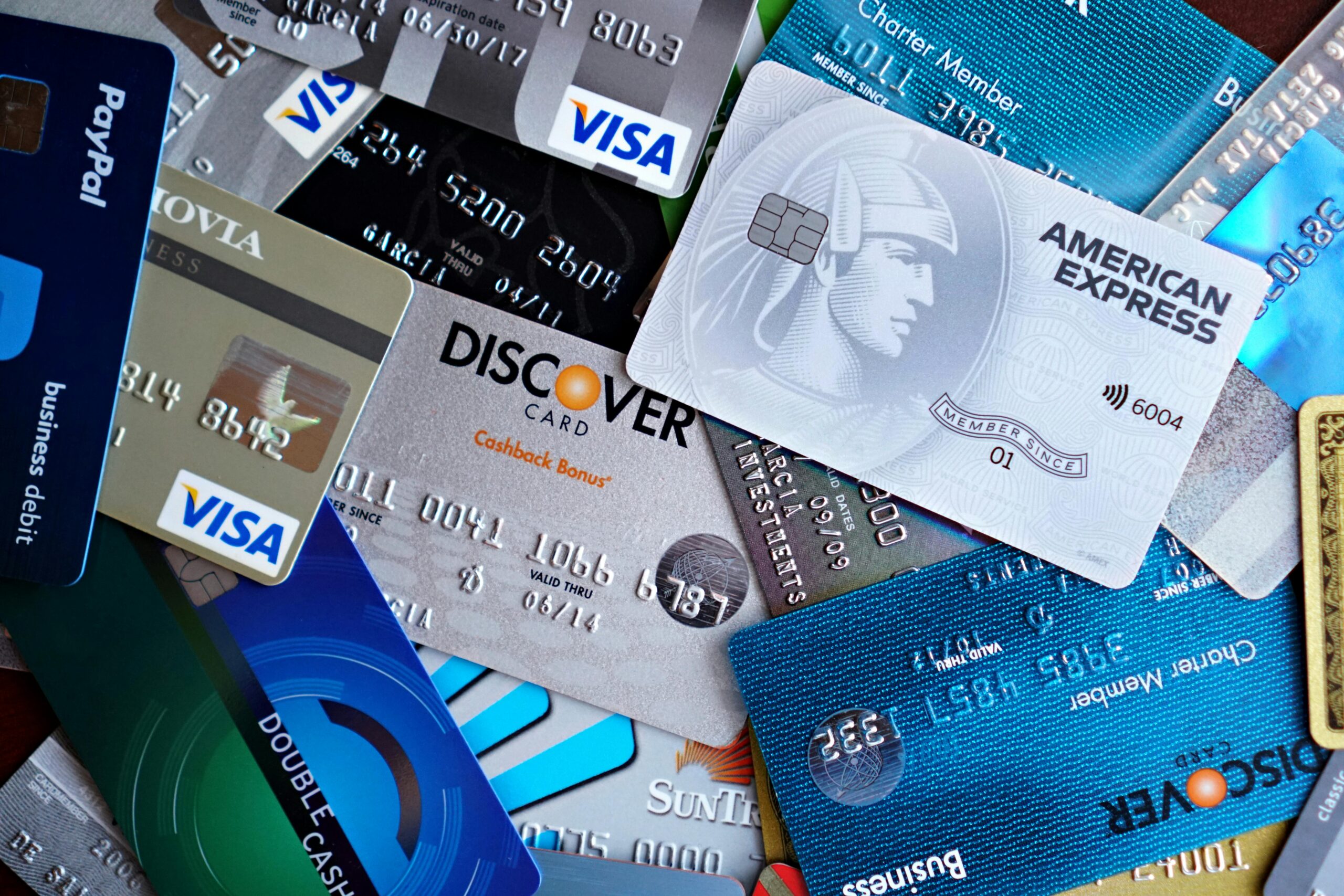
USA BANK PERSONAL LOAN
U.S Bank Personal Loan
OUTLINE
- U.S. Bank Personal Loan: What I Need to Know Before I Apply ✅
- What Is a U.S. Bank Personal Loan? ✅
- Why I Might Consider a U.S. Bank Personal Loan ✅
- How a U.S. Bank Personal Loan Works ✅
- How to Decide If a U.S. Bank Personal Loan Is Right for Me ✅
U.S.A Bank Personal Loan: What I Need To Know Before I Apply
Before I apply for a U.S.A bank personal loan, I know I need to understand exactly what I am getting into. A personal loan can be a helpful financial tool, but if I rush the process, I may end up with terms that hurt me later. That is why I always remind myself that if you want to borrow wisely, you need to know the details first.
A U.S.A bank personal loan is usually a fixed amount of money that I borrow from a bank and repay in monthly installments over a set period. In many cases, I do not need collateral, which makes it an unsecured loan. That sounds convenient, but I also know that convenience does not mean I should apply without preparation. If you want the best deal, you must understand how the loan works.
Before I apply, I need to check my credit score, income, and current debts. I know that my credit score can affect whether I get approved and what interest rate I receive. If my credit is strong, I may qualify for a lower rate. If your credit is weak, you may pay much more over time. That is why I believe comparing offers is very important.
I also need to pay close attention to the loan term and monthly payment. A shorter term may cost me less in total interest, but the monthly payment may be higher. A longer term may feel easier each month, but I may pay more overall. If you choose a loan based only on a low monthly payment, you may miss the bigger picture.
Another thing I never ignore is fees. I need to ask about origination fees, late fees, and any prepayment penalties. Sometimes, the interest rate looks good, but hidden charges can make the loan more expensive than I expected. If you do not ask questions, you may regret it later.
In the end, I believe a U.S.A bank personal loan can be useful if I apply carefully and borrow only what I can repay comfortably. I should never apply just because I can. If you want financial peace of mind, you should make sure the loan truly fits your budget and your goals.
What Is A USA Bank Personal Loan?
When I hear the term USA bank personal loan, I understand it as a type of loan I can borrow from a bank in the United States for personal use. It is money I receive upfront, and I agree to pay it back in fixed monthly installments over a set period. If you are thinking about borrowing, you should know that this kind of loan can be helpful, but only when you understand how it works before you apply.
A USA bank personal loan is often unsecured, which means I may not need to provide collateral like a car or property. That makes it attractive because I do not have to risk losing an asset in many cases. However, I also know that because the bank is taking more risk, my credit score, income, and debt history matter a lot. If you have strong credit, you may qualify for better rates and better terms.
I can use a USA bank personal loan for many different reasons. For example, I may use it to cover emergency expenses, pay medical bills, repair my home, consolidate debt, or handle a major personal purchase. This flexibility is one reason I see why many people choose it. Still, I always remind myself that just because I can borrow does not mean I should borrow without a clear plan. If you borrow without thinking ahead, repayment can become stressful.
One thing I always pay attention to is the interest rate and the repayment term. A lower interest rate can save me money, while a longer repayment term may reduce my monthly payment but increase the total cost over time. I also make sure I ask about fees, such as origination fees, late payment fees, or prepayment penalties. If you ignore these details, the loan may cost more than you expected.
In the end, I believe a USA bank personal loan is simply a financial tool that can help me when I use it wisely. It gives me access to funds for important needs, but it also comes with responsibility. I should always compare offers, read the terms carefully, and borrow only what I can comfortably repay. If you want a loan to work in your favor, you need to understand it fully before you sign anything.
Why I Might Consider A USA Bank Personal Loan
There are times when I may seriously consider a USA bank personal loan, especially when I need financial help for something important. I do not see a personal loan as free money. Instead, I see it as a financial tool that can help me solve a real problem when I use it wisely. If you are thinking the same way, you should always ask yourself why you need the loan before you apply.
One of the biggest reasons I might consider a USA bank personal loan is for emergency expenses. Life can surprise me with medical bills, urgent travel, car repairs, or sudden home problems. If I do not have enough savings available, a personal loan may give me access to funds when I need them quickly. If you are facing an emergency, this kind of loan can help you stay in control instead of panicking.
Another reason I may consider it is debt consolidation. If I have multiple credit card balances or other high-interest debts, I may use a personal loan to combine them into one payment. I like this option because it can make repayment easier to manage. If you are juggling several bills every month, one structured loan payment may feel less stressful and more organized.
I may also consider a USA bank personal loan for home repairs or other major personal expenses. For example, I might need money for fixing a leaking roof, handling plumbing issues, relocating, or paying for a necessary purchase. In situations like this, I know a personal loan can provide flexibility. Still, I remind myself that if you borrow for something unnecessary, you may create a burden instead of a benefit.
One thing I like about a USA bank personal loan is that it often comes with fixed monthly payments. That means I know what I owe each month, which helps me budget better. I also know that some personal loans may offer lower interest rates than credit cards. If you can qualify for a better rate, you may save money over time.
In the end, I might consider a USA bank personal loan when I have a clear reason, a solid repayment plan, and confidence that I can afford it. I should never borrow just because the option is available. If you want a personal loan to work in your favor, you should borrow with purpose, compare your options, and make sure it truly fits your financial goals.
How a U.S. Bank Personal Loan Works
When I think about a USA bank personal loan, I understand it as a simple process where I borrow a fixed amount of money from a bank and agree to repay it over time in monthly installments. It may sound straightforward, but I know I should understand every step before I apply. If you want to borrow wisely, you should know exactly how this type of loan works from beginning to end.
The process usually starts when I submit an application to a bank. I may apply online, through a mobile app, or by visiting a branch. During the application, I provide details about my income, employment, identity, and sometimes the reason I need the loan. I know that if you want a smoother process, you should have your documents ready before you begin.
After I apply, the bank reviews my financial profile. It looks at my credit score, my income, my current debts, and my ability to repay. This step is very important because it helps the bank decide whether I qualify and what kind of terms I may receive. If my credit is strong, I may get a lower interest rate. If your credit is weaker, you may still qualify, but the loan may cost more.
If I am approved, the bank sends me a loan offer. This offer usually includes the loan amount, interest rate, repayment term, monthly payment, and any fees. I always remind myself that approval is not enough. I need to read the full terms carefully before I accept. If you skip the details, you may agree to a loan that does not truly fit your budget.
Once I accept the offer, the bank usually sends the money to my account. After that, I begin repaying the loan in fixed monthly payments. Each payment covers part of the amount I borrowed and part of the interest. I like this structure because it helps me plan my budget clearly. If you make your payments on time, you may also protect or even improve your credit over time.
In the end, a USA bank personal loan works by giving me access to funds upfront and allowing me to repay them gradually with interest. I should always compare offers, understand the fees, and borrow only what I can comfortably repay. If you want a personal loan to help you instead of hurting you, you need to understand the process before you sign.
How To Decide If A U.S. Bank Personal Loan Is Right For Me
Before I take any loan, I always remind myself that approval alone is not enough. Just because I can qualify for a U.S. bank personal loan does not automatically mean it is the right choice for me. I need to look at my financial situation carefully and make sure the loan truly helps me. If you are considering the same option, you should also take time to decide if it fits your needs, your budget, and your long-term goals.
The first thing I ask myself is why I want the loan. I may need it for something important, such as debt consolidation, emergency expenses, medical bills, home repairs, or relocation. If the reason is serious and necessary, a personal loan may make sense. But if you are borrowing for something impulsive or unnecessary, you may want to pause and think again before taking on that responsibility.
Next, I look at whether I can comfortably afford the monthly payments. I check my income, my regular bills, and my other debts before adding another financial obligation. I know that if I stretch my budget too far, the loan may become stressful instead of helpful. If you already feel tight financially, you should be honest with yourself before committing to another monthly payment.
I also pay close attention to the interest rate, the APR, and the total repayment cost. A loan may seem affordable because the monthly payment looks low, but I know the total cost matters just as much. A longer loan term may lower my monthly payment, but it may also mean I pay more interest over time. If you focus only on the monthly amount, you may miss how expensive the loan really is.
Another thing I consider is whether a personal loan is truly my best option. Sometimes I may be better off using savings, negotiating a payment plan, or choosing another lower-cost solution. I also make sure I read the fine print carefully, especially the fees, repayment terms, and any penalties.
In the end, I decide that a U.S. bank personal loan is right for me only when it solves a real problem, fits my budget, and does not create bigger financial stress later. I should never borrow just because the option is available. If you want to make a smart decision, you should compare your choices, understand the full cost, and borrow only when it truly supports your financial goals.
FAQs About U.S. Bank Personal Loans
- What is a U.S. Bank personal loan?
A U.S. Bank personal loan is a fixed amount of money borrowed from U.S. Bank that I repay in monthly installments over a set period, usually with interest.
- Is a U.S. Bank personal loan secured or unsecured?
Most personal loans are **unsecured**, which means I usually do not need to provide collateral like a house or car.
- What can I use a U.S. Bank personal loan for?
I can use it for many purposes, including debt consolidation, emergencies, medical bills, home repairs, moving expenses, or other major personal costs.
- Does my credit score matter when applying?
Yes, it usually does. My credit score can affect whether I get approved and what interest rate I receive. If you have stronger credit, you may qualify for better terms.
- How long does it take to get approved?
Approval times can vary. Sometimes it can be quick, while in other cases it may take longer depending on documentation, verification, and the bank’s review process.
- Are the monthly payments fixed?
In many cases, yes. One major benefit of a personal loan is that I often know exactly what I need to pay each month.
- Can I use a U.S. Bank personal loan to pay off credit card debt?
Yes, many people use personal loans for **debt consolidation**. If the interest rate is lower than your credit card rate, this can help you save money and simplify payments.
- Are there fees I should watch out for?
Yes. I always check for:
* Origination fees
* Late payment fees
* Prepayment penalties (if any)
You should read the terms carefully before accepting any offer.
- Is a U.S. Bank personal loan better than a credit card?
It depends. If I need a fixed amount and want predictable payments, a personal loan may be better. If I need flexible short-term access to funds and can pay it off quickly, a credit card may work better.
- Should I apply for a U.S. Bank personal loan?
I would only apply if I truly need the funds, understand the terms, and know I can repay it comfortably. If you are unsure, it is always better to review your budget first before taking on new debt.
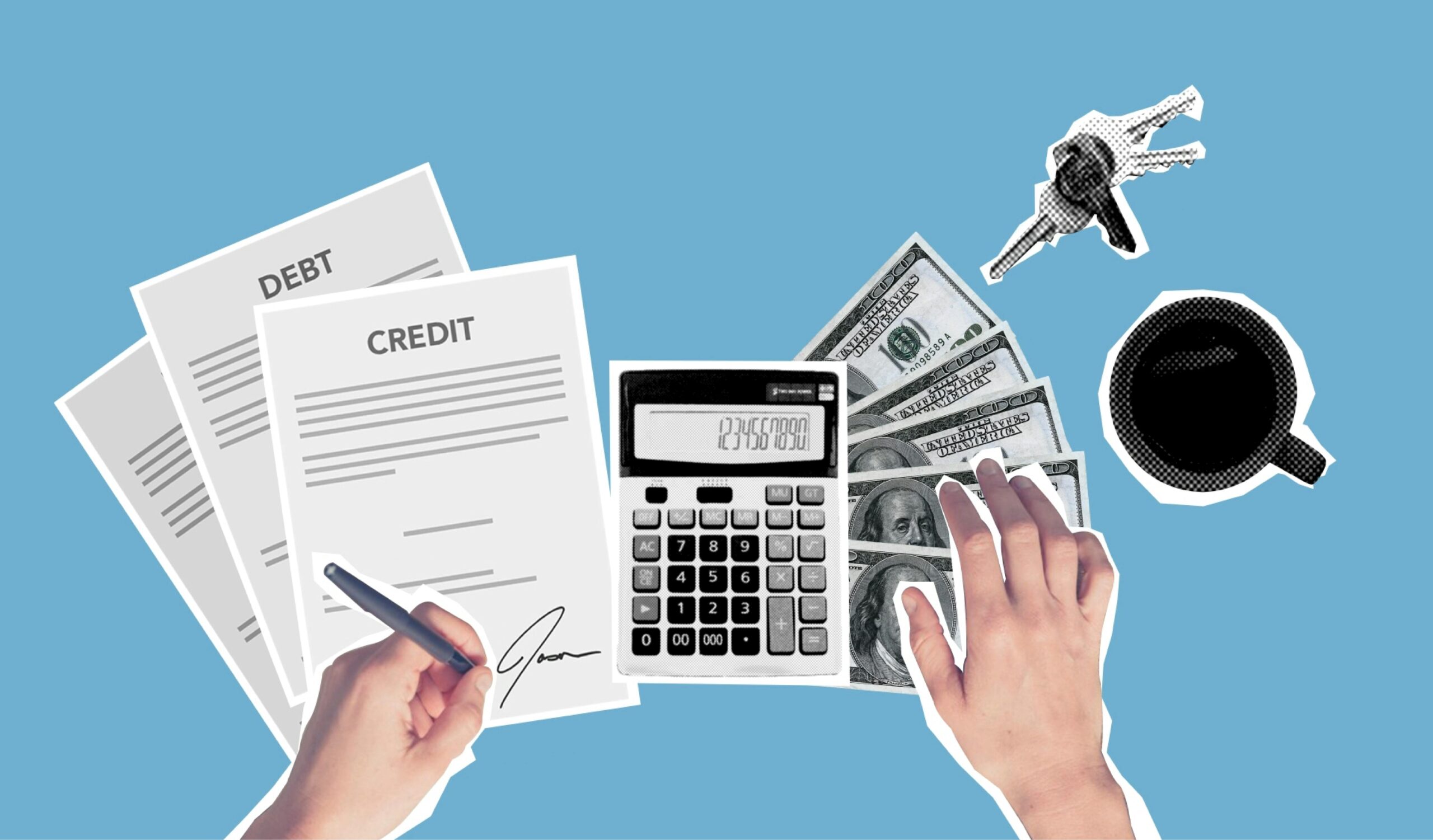
ONLINE LOAN IN USA
Online Loan in USA:
Online Loan in USA: Everything I Need to Know Before I Apply ✅
What Is an Online Loan in USA?✅
Types of Online Loans in USA ✅
How Online Loans in USA Work ✅
Benefits of Online Loans in USA ✅
Risks and Disadvantages of Online Loans in USA✅
How to Choose the Best Online Loan in USA✅
Online Loan in USA: Everything I Need to Know Before I Apply
When I first started searching for an online loan in the USA, I quickly realized that convenience can be both a blessing and a trap. I can sit in my room, fill out an application on my phone, and in some cases, get approved within minutes. You may find that very attractive too, especially if you need money urgently. But before I apply, I always remind myself that an online loan is still a serious financial commitment, not just quick cash.
For me, an online loan in the USA simply means borrowing money from a lender through a website or mobile app instead of visiting a physical bank. You can use it for emergencies, rent, medical bills, debt consolidation, car repairs, or personal expenses. I like how fast and easy the process can be, and you may also enjoy the flexibility. Some online lenders even work with borrowers who have less-than-perfect credit, which can be helpful when I feel traditional banks may say no.
Still, before I apply, I always look beyond the speed of approval. I check the interest rate first because that tells me how expensive the loan will really be. You should also pay close attention to the repayment period, monthly payments, and any hidden fees. I never focus only on how much money I can get today; I focus on how much I must pay back tomorrow. If you ignore the total repayment cost, you may end up trapped in a cycle of debt.
Another thing I always consider is my credit score. Even when a lender says “bad credit is okay,” I know my credit history still affects the offer I receive. If I have a stronger credit score, I usually qualify for lower rates and better terms. You should check your credit before applying so you can understand what kind of loan offer you may receive.
Most importantly, I never ignore red flags. If a lender guarantees approval, asks me for upfront fees, or refuses to explain the terms clearly, I walk away. You should do the same because legitimate lenders are transparent.
At the end of the day, I see an online loan as a tool, not a solution to every problem. If I borrow wisely, compare lenders, and read the fine print, the loan can help me. If you borrow without understanding the terms, it can quickly become a burden.
What Is an Online Loan in USA?
When I first heard about an online loan in the USA, I thought it was just a faster version of a regular loan. In many ways, I was right. For me, an online loan in the USA is simply a loan I can apply for over the internet without having to walk into a physical bank or lender’s office. You can complete the whole process online—from filling out the application form to uploading documents, getting approved, and sometimes even receiving the money in your bank account within the same day.
What I like most about an online loan is convenience. I don’t need to book an appointment, wait in long lines, or deal with too much paperwork in person. You may also find it easier because all you usually need is a phone, laptop, internet connection, identification, proof of income, and a bank account. For me, that makes borrowing feel faster and simpler, especially when I need money urgently.
An online loan in the USA can come in different forms. I may apply for a personal loan, payday loan, installment loan, emergency loan, or even a debt consolidation loan. You can choose the type depending on why you need the money. If I need help with rent, medical bills, car repairs, or unexpected expenses, an online loan can be a quick option. But even though it feels easy, I always remind myself that it is still real debt, and you should see it the same way.
Another thing I understand is that online lenders may have different rules from traditional banks. Some lenders may approve me even if my credit score is not perfect, while others may offer better rates if I have strong credit. You should know that the interest rate, repayment terms, and fees can vary a lot from one lender to another.
For me, the biggest lesson is this: an online loan in the USA is not just about fast cash. It is a financial agreement that I must repay with interest. If I understand the terms before I apply, the loan can help me. If you rush without reading the details, the loan can become expensive very quickly.
Types of Online Loans in USA
When I first started researching online loans in the USA, I quickly realized that not all loans are the same. At first, I thought any online loan would do the job, but I learned that each type of loan serves a different purpose. If you are like me, you need to understand the different options before you apply, because choosing the wrong loan can create bigger financial problems later.
One of the most common options I found is the **personal online loan**. For me, this is one of the most flexible choices because I can use it for almost anything, such as rent, medical bills, car repairs, emergencies, or even personal expenses. You may also like it because it often comes with fixed monthly payments, which makes budgeting easier for both me and you.
Another type is the **payday loan**, and this is where I become very careful. I know payday loans can be attractive because I may get cash very quickly, sometimes within a day. You may also feel tempted if you need urgent money before your next paycheck. But I always remind myself that payday loans usually come with very high interest rates and short repayment periods. If you are not careful, this type of loan can become a financial trap.
I also learned about **installment loans**, which are often easier for me to manage. With this type, I borrow money and pay it back over time in smaller monthly payments instead of one lump sum. You may prefer this option if you need a larger loan amount and want a repayment plan that feels more realistic.
Then there are emergency online loans, which I may consider when unexpected expenses suddenly appear, like hospital bills, urgent travel, or home repairs. You may also use this type when time is important. For me, the speed is helpful, but I still make sure I check the interest rate before I accept the offer.
Another useful option is the debt consolidation loan. If I already have multiple debts, I can use this loan to combine them into one payment. You may like this because it can make your finances simpler and sometimes lower your interest costs.
Finally, there are **bad credit loans**. If my credit score is not strong, I may still qualify for these. You may also find them helpful, but I know they often come with higher rates.
In the end, I believe the best online loan depends on my needs, my budget, and how confidently I can repay it. If I choose wisely, you can too.
How Online Loans in USA Work
When I first started looking into online loans in the USA, I wanted to understand exactly how the process worked before I applied. I quickly realized that online loans are designed to make borrowing faster and easier because I can do almost everything from my phone or laptop. You may also like that convenience, especially if you need money quickly. But even though the process feels simple, I know it is still important to understand each step before I agree to borrow.
The first step for me is choosing the right online lender. I usually compare different lenders because not every company offers the same interest rates, repayment terms, or approval requirements. You should do the same because one lender may be much more affordable than another. I always look at reviews, fees, and the type of loan being offered before I move forward.
Once I find a lender, I fill out an online application. This is usually straightforward. I enter my personal information, employment details, income, and bank account information. In some cases, I may also need to provide my Social Security Number or ITIN, along with proof of identity or proof of income. You may have to upload documents too, depending on the lender. For me, accuracy is very important at this stage because even a small mistake can delay the process.
After I submit my application, the lender reviews my information. This is where they decide if I qualify for the loan. They may check my credit score, monthly income, current debts, and overall ability to repay. Even when a lender says they accept bad credit, I know they still want to see whether I can handle the payments. You should understand that this review often affects the loan amount, the interest rate, and the repayment terms you receive.
If I get approved, the lender sends me a loan offer. This is the part I never rush. I carefully review the loan amount, annual percentage rate (APR), monthly payment, repayment schedule, and any extra fees. You should also read everything before accepting because this tells me the true cost of the loan.
If I agree to the terms, I accept the offer electronically. After that, the lender sends the money directly into my bank account. In some cases, I may receive the funds the same day, while in other cases it may take one to three business days. For me, online loans work well when I understand the process and borrow responsibly. If I read the fine print carefully, you can avoid expensive mistakes too.
Benefits of Online Loan in USA
When I first started looking into online loans in the USA, I wanted to understand why so many people prefer them over traditional bank loans. After doing my research, I realized that online loans can be a very convenient and practical option when I need quick access to money. If you are like me, you may value speed, simplicity, and flexibility. That is exactly why online loans have become popular. Still, I always remind myself that the benefits only matter when I borrow responsibly, and you should think the same way too.
One of the biggest benefits for me is **convenience**. I can apply for an online loan from my phone, tablet, or laptop without visiting a physical bank. You may also love how easy it feels to complete the process from home or anywhere with internet access. For me, this saves time, reduces stress, and makes borrowing much more accessible.
Another major advantage I see is **fast approval**. Many online lenders can review my application within minutes, and in some cases, I may get a decision almost immediately. You may find this especially useful if you need money for an urgent expense. I like knowing that I do not always have to wait several days like I might with a traditional lender.
I also appreciate **quick access to funds**. Once I am approved, some online lenders can send the money directly to my bank account the same day or within one to three business days. You may see this as a huge benefit if you need money for rent, medical bills, car repairs, or emergency expenses. For me, timing can make all the difference.
Another reason I find online loans attractive is the **wide range of options**. I can choose from personal loans, installment loans, emergency loans, payday loans, or even bad credit loans. You may also like having more choices because it gives you a better chance of finding a loan that fits your exact situation.
I also know that some online lenders are more flexible with **credit requirements**. If my credit score is not perfect, I may still qualify for a loan. You may benefit from this too, especially if traditional banks have rejected you before.
Finally, I like that I can **compare lenders easily**. I can look at interest rates, repayment terms, and fees online before making a decision. You should always do the same because comparing offers helps me avoid bad deals.
For me, the benefits of online loans in the USA are real when I use them wisely. If I understand the terms and compare carefully, you can use online loans as a smart financial tool too.
Risk and Disadvantages of Online Loans in USA
When I first started looking into online loans in the USA, I was mostly attracted by the convenience. I liked the idea that I could apply from my phone, get approved quickly, and possibly receive money within a short time. You may feel the same way, especially when you need urgent cash. But the more I learned, the more I realized that online loans are not always as simple or as safe as they seem. Before I apply, I always remind myself that online loans come with risks, and you should understand those risks too.
One of the biggest disadvantages I noticed is high interest rates. Some online loans, especially payday loans or loans for bad credit borrowers, can be very expensive. I may think I am solving a short-term problem, but I can end up paying back far more than I borrowed. You should always check the APR because that shows me the true cost of the loan and helps you avoid a bad financial decision.
Another risk I pay attention to is hidden fees. Some lenders may charge origination fees, processing fees, late payment penalties, or even prepayment fees. If I do not read the fine print carefully, I may accept a loan that looks affordable at first but becomes much more expensive later. You should never assume the advertised rate tells the whole story.
For me, one of the most serious dangers is online scams and fake lenders. Because the process happens online, there are fraudulent websites that pretend to offer fast loans. If a lender asks me for upfront payment, guarantees approval, or pressures me to act immediately, I know that is a major red flag. You should be very careful too, because scammers often target people who are desperate for money.
I also know that the easy access to online loans can lead to overborrowing. Since the process is fast and simple, I may feel tempted to borrow more than I truly need. You may feel the same if the money seems easy to get. For me, this can quickly create a cycle of debt, especially if I take one loan to cover another.
Another disadvantage is short repayment terms, especially with payday loans. I may have to repay the money much faster than expected, which can put pressure on my monthly budget. You may also struggle if your income is already tight.
For me, online loans can still be useful, but only when I stay cautious. If I compare lenders, read every term carefully, and avoid rushing into the first offer, you can protect yourself from turning a quick loan into a long-term financial problem.
How to Choose the Best Online Loan in USA
When I first started searching for the best online loan in the USA, I quickly realized that the best loan is not always the one with the fastest approval or the biggest loan amount. For me, the best online loan is the one that fits my financial needs, my budget, and my ability to repay comfortably. You may also feel tempted by attractive ads that promise instant approval or same-day cash, but I have learned that choosing the right loan requires patience and careful comparison. If I make the right choice, you can avoid unnecessary stress and expensive mistakes too.
The first thing I always do is understand **why I need the loan**. If I am borrowing for rent, medical bills, debt consolidation, car repairs, or an emergency, that reason helps me decide which type of loan makes the most sense. You should also be clear about your purpose because it helps me avoid borrowing more than I actually need and helps you stay financially disciplined.
Next, I always compare **interest rates and APR**. I never focus only on the advertised interest rate because the APR usually gives me a better picture of the true cost. It often includes both the interest and some of the fees. You should compare APRs from different lenders because one loan may look affordable at first but actually cost more in the long run.
I also pay close attention to the **repayment terms**. Before I accept any loan, I check how long I have to repay it and how much my monthly payments will be. If the payment feels too high for my budget, I know the loan may become a burden later. You should do the same because a loan should solve a problem, not create a new one.
Another important step for me is checking the **lender’s reputation**. I look at reviews, ratings, and customer feedback before I trust any company. If I notice too many complaints, unclear loan terms, or promises that sound unrealistic, I move on. You should be just as careful because choosing a trusted lender can protect you from scams and hidden problems.
I also make sure I check for **hidden fees** like origination fees, late fees, or prepayment penalties. For me, reading the fine print is a must. Finally, I borrow only what I can truly afford to repay.
At the end of the day, I believe the best online loan in the USA is not the easiest loan to get—it is the smartest loan to manage. If I compare carefully and borrow responsibly, you can make a better financial decision too.
FAQs About Online Loan in USA
- Can I get an online loan in USA with bad credit?
Yes, I can. Many online lenders offer bad credit loans, but I should expect higher interest rates and stricter repayment terms. If your credit is low, you may still qualify, but it is important to compare offers carefully.
- How fast can I receive money from an online loan in USA?
In many cases, I can get approved within minutes and receive the money the same day or by the next business day. For you, the exact timing depends on the lender, your bank, and how quickly your application is verified.
- Are online loans in USA safe?
Yes, they can be safe if I use a legitimate and trusted lender. I always make sure to research the company, read reviews, and avoid lenders that ask for upfront fees or make unrealistic promises. You should always verify before applying.
- What do I need to apply for an online loan in USA?
Most lenders usually ask me for:
* A valid ID
* Proof of income
* A bank account
* Social Security Number (SSN) or sometimes ITIN (depending on the lender)
* Basic personal and employment details
- Can immigrants apply for online loans in USA?
Yes, in some cases, immigrants can apply. I may need an SSN or find lenders that accept an ITIN, depending on their requirements. If you are an immigrant, it is best to search for lenders that specifically mention flexible identification options.
- What is the easiest online loan to get in USA?
Usually, payday loans and some bad credit installment loans are easier to qualify for, but I know they often come with higher costs. Easier approval does not always mean better. You should always focus on affordability, not just approval speed.
- Does applying for an online loan affect my credit score?
It can. Some lenders do a soft check first, which may not affect my score, while others may do a hard inquiry when I formally apply. If you apply with multiple lenders carelessly, it may impact your credit.
- How much can I borrow with an online loan in USA?
The amount varies. I may be able to borrow a few hundred dollars or several thousand dollars depending on the lender, my income, my credit profile, and the type of loan. Your approved amount will depend on your financial situation.

USA BANK LOAN
U.S Bank loan
OUTLINE
What Is a U.S Bank Loan?✅
How a U.S Bank Loan Works✅
Things I Should Consider Before Applying
Eligibility Requirements for a U.S Bank Loan
How I Can Improve My Chances of Approval
What Is a U.S. Bank Loan?
When I talk about a U.S. Bank loan, I’m talking about money that I borrow from U.S. Bank and agree to pay back over time with interest. In simple terms, I see it as a formal agreement between me and the bank: I receive funds upfront, and then I repay the amount in monthly installments based on the terms we agreed on. For you, a U.S. Bank loan can be a practical way to get access to money when you need help covering important expenses without draining your savings all at once.
I like to think of a U.S. Bank loan as a structured borrowing option because it usually comes with a clear repayment plan. That means I know how much I borrowed, how much interest I’m paying, and how long I’ll be making payments. For you, this can be helpful because it gives you predictability. Instead of guessing what your payment will be each month, you usually know exactly what to expect, especially if the loan has a fixed interest rate.
A U.S. Bank loan can be used for different purposes depending on the type of loan I choose. If I need money for personal expenses, debt consolidation, emergencies, home improvements, or a major purchase, I may look into a personal loan. If you need financing for a car, home, or business, U.S. Bank may also offer loan options that match those needs. This flexibility is one reason why I may consider borrowing from a large and trusted bank.
Before U.S. Bank approves me, they usually look at my credit score, income, existing debt, and overall financial history. The same goes for you. If I have a stronger credit profile and stable income, I may qualify for better terms, lower interest rates, and possibly a larger loan amount. For you, improving your financial profile before applying can increase your chances of approval.
In the end, I see a U.S. Bank loan as more than just borrowed money—it’s a financial tool that can help me solve a problem or move forward with a goal. For you, it can be a smart borrowing choice if you want clear terms, predictable payments, and the support of an established lender. As long as I borrow responsibly and you do the same, a U.S. Bank loan can be a useful way to manage important financial needs.
How a U.S. Bank Loan Works
When I think about how a U.S. Bank loan works, I see it as a simple process where I apply for money, get approved based on my financial profile, receive the funds, and then repay the loan over time with interest. For you, it works in a similar way: you request a certain amount from the bank, the bank reviews your eligibility, and if you qualify, you receive the money and agree to pay it back in monthly installments.
The first step is the application process. When I want a U.S. Bank loan, I usually start by filling out an application online or through a branch. I provide details like my income, employment, credit history, and how much I want to borrow. For you, this part is important because the information you submit helps the bank decide whether you are a low-risk borrower or not.
Next comes the approval review. U.S. Bank looks at my credit score, debt-to-income ratio, income stability, and overall financial health. If I have strong credit and steady earnings, I may qualify for better loan terms. The same applies to you. If your credit profile is healthy, you may be offered a lower interest rate and more favorable repayment conditions.
Once I’m approved, U.S. Bank gives me the loan terms. This includes the loan amount, interest rate, repayment period, and monthly payment. I always pay close attention to these details because they determine how much the loan will truly cost me over time. For you, understanding the terms before signing is very important, because it helps you know exactly what you’re committing to.
After I accept the terms, the bank usually disburses the funds. That means I receive the money in my account or it is sent directly to where it needs to go, depending on the type of loan. For you, this is the stage where the loan becomes active, and your repayment schedule begins.
Finally, I start making monthly repayments. Each payment usually includes part of the principal and part of the interest. If I make payments on time, I build a stronger credit profile and avoid penalties. For you, timely repayment can improve your financial reputation, while missed payments can lead to extra fees and credit damage.
Things I Should Consider Before Applying for a U.S. Bank Loan
Before I apply for a U.S. Bank loan, I always remind myself that borrowing money is a serious financial decision. I don’t just focus on getting approved—I also think about whether the loan truly makes sense for my situation. For you, this is just as important. A loan can be helpful, but only if you understand the terms, your repayment ability, and the long-term impact on your finances.
The first thing I consider is **why I need the loan**. I ask myself if I’m borrowing for something essential, productive, or necessary. If I’m using the money for debt consolidation, emergencies, home repairs, or a planned expense, the loan may make sense. For you, being clear about your reason for borrowing helps you avoid taking on debt for something that may not truly be worth it.
Another major factor I look at is **my credit score and financial profile**. Since U.S. Bank will likely review my credit history, income, and existing debts, I want to know where I stand before applying. If my credit score is stronger, I may qualify for better rates and better terms. For you, checking your credit before applying can help you understand whether now is the right time or if you should improve your financial profile first.
I also pay close attention to the interest rate and total cost of the loan. I don’t just look at the monthly payment—I look at how much I will pay in total over the life of the loan. For you, this matters because a lower monthly payment can sometimes mean a longer loan term and more interest paid overall.
Another thing I think about is **whether I can comfortably afford the monthly repayment**. I ask myself if the payment will fit into my budget without causing stress. For you, this is one of the most important steps. If the loan payment will stretch your finances too far, it may create more problems than it solves.
I also consider **loan fees, repayment terms, and possible penalties**. Some loans may include origination fees, late fees, or prepayment rules. For you, reading the fine print before signing can protect you from surprises later.
Eligibility Requirements for a U.S.A. Bank Loan
When I think about the eligibility requirements for a U.S.A. Bank loan, I understand that getting approved is not just about filling out an application and hoping for the best. I know the bank wants to be sure that I can repay what I borrow, and that I am financially stable enough to manage the loan responsibly. For you, the same principle applies. A bank will usually look at your overall financial picture before deciding whether you qualify for the loan and what terms you may receive.
The first major requirement I always think about is my credit score. My credit score tells the lender how well I have handled past debts, credit cards, and payments. If I have a strong credit score, I may have a better chance of approval and may qualify for lower interest rates. For you, a good credit history can make a big difference because it shows the bank that you are likely to repay on time. If your credit score is lower, you may still qualify, but the loan terms may not be as favorable.
Another important requirement is proof of income. I know that U.S.A. Bank will usually want to see that I have a reliable and steady source of income. This could come from a job, self-employment, business income, or other consistent earnings. For you, showing stable income is very important because the bank wants to know that you can comfortably make the monthly payments without struggling financially.
I also understand that the bank may look closely at my debt-to-income ratio (DTI). This means they compare how much debt I already owe to how much money I earn. If I already have too many financial obligations, the bank may see me as a higher-risk borrower. For you, reducing existing debt before applying can improve your chances and make your application stronger.
In addition, I know I may need to meet some basic personal requirements, such as being at least 18 years old, providing valid identification, and meeting U.S. residency or banking requirements. For you, this may also include having a Social Security Number or ITIN depending on the loan type, and in some cases, an existing relationship with the bank may help.
In the end, I see eligibility as the bank’s way of deciding whether I am ready to borrow responsibly. For you, meeting these requirements can improve approval chances, lead to better loan terms, and make the entire borrowing process smoother and more successful.
How Can I Improve My Chances of Approval for a U.S. Bank Loan?
When I want to improve my chances of getting approved for a U.S. Bank loan, I know I need to do more than simply fill out an application and hope for the best. I understand that the bank wants to see me as a responsible borrower who can comfortably repay the loan on time. For you, the same rule applies. If you want a better chance of approval, you need to strengthen your financial profile before you apply and show the bank that you are a low-risk applicant.
The first thing I focus on is my credit score. I know that my credit score plays a major role in whether I get approved and what kind of interest rate I may receive. If I want better loan terms, I try to pay all my bills on time, reduce my credit card balances, and avoid new unnecessary debt before applying. For you, even a small improvement in your credit score can make your application stronger and more attractive to the lender.
Another important step I take is reducing my current debt. I understand that the bank may review my debt-to-income ratio, which compares how much I already owe to how much I earn. If I already have too many monthly obligations, the bank may worry that I cannot handle another payment. For you, paying down credit cards or existing loans before applying can improve your financial image and increase your chances of approval.
I also make sure I can show steady and verifiable income. I know the bank wants proof that I earn enough to handle the monthly loan payment. Whether I am employed, self-employed, or running a business, I prepare documents that clearly show my income and financial stability. For you, having consistent income and being ready with proper documentation can make a big difference.
Another smart move I make is applying for a realistic loan amount. I avoid requesting more money than I truly need because a larger loan may look riskier to the bank. For you, asking for an amount that matches your income and repayment ability can improve your approval odds.
Finally, I always review my application carefully before submitting it. I make sure all details are accurate, complete, and honest. For you, mistakes or missing information can delay the process or hurt your chances.
In the end, I believe improving my chances of approval is about preparation. For you, if you strengthen your credit, reduce debt, show stable income, and apply wisely, you may greatly improve your chances of getting approved for a U.S. Bank loan with better terms.
FAQs About U.S Bank Loan
- What is a U.S Bank loan?
A U.S Bank loan is money borrowed from U.S. Bank that I repay over time with interest. It may come in the form of a personal loan, auto loan, mortgage, business loan, or line of credit.
- Can I use a U.S Bank personal loan for anything?
In many cases, yes. I may use a personal loan for debt consolidation, emergencies, home repairs, medical expenses, or major purchases. However, the bank may have restrictions on certain uses.
- Does U.S Bank require good credit?
Usually, having good credit improves my chances of approval and helps me qualify for better rates. If your credit is lower, approval may be more difficult.
- How do I know if I can afford the loan?
I look at the monthly payment, the interest rate, and my current income and expenses. If the payment feels stressful, it may not be the right loan for me.
- Is a U.S Bank loan better than a payday loan?
In most cases, yes. A bank loan is generally safer, more structured, and less expensive than a payday loan, which often comes with very high fees and short repayment terms.
- What should I do before applying?
Before I apply, I check my credit, compare loan options, gather my documents, and make sure I understand the full repayment terms.

USA LOAN AMOUNT
U.S.A Loan Amount
OUTLINE
What Does “U.S.A Loan Amount” Mean?
Common Loan Amounts Available in the U.S.A
How Lenders Decide My Loan Amount
Minimum and Maximum Loan Amounts in the U.S.A
How Much Loan Amount Can I Qualify For?
What Does U.S.A Loan Amount Mean?
When I hear the term U.S.A loan amount, I understand it as the exact amount of money I borrow from a lender in the United States. In simple words, it is the main sum a bank, credit union, online lender, or loan company agrees to give me after my application is approved. If you are applying for a loan too, this is the amount you actually receive or are allowed to use. It is the starting point of the entire borrowing process, and it matters because it affects how much I will owe and how much you will need to repay later.
For me, the loan amount is also called the principal. This means it is the original money I borrow before interest, service charges, or lender fees are added. For example, if I apply for a $5,000 personal loan, my loan amount is $5,000. If you apply for a $20,000 auto loan, then your loan amount is $20,000. It is very important for me to remember that the loan amount is not the same as the total repayment amount. I may borrow $5,000, but after interest and fees, I could end up paying back much more. The same applies to you.
In the U.S.A, the loan amount can vary depending on the kind of loan I choose. If I apply for a personal loan, I may qualify for a smaller or medium-sized amount. If you apply for an auto loan, the amount often depends on the cost of the vehicle. If I apply for a mortgage, the loan amount can be very large because homes are expensive. If you apply for a business loan, the lender may decide the amount based on your business income, plan, and credit profile.
Lenders usually decide my loan amount by reviewing my credit score, income, existing debts, employment history, and ability to repay. If my finances look strong, I may qualify for a higher amount. If your financial situation is weaker, you may receive a lower offer.
To me, understanding the U.S.A loan amount is very important because it helps me borrow wisely. If I take too much, repayment can become difficult. If you take too little, the loan may not meet your real needs. In the end, the U.S.A loan amount simply means the original amount of money I borrow in the United States, and for you, it is the foundation of every smart loan decision.
Common Loan Amounts Available in the U.S.A
When I talk about common loan amounts available in the U.S.A, I am referring to the typical range of money that lenders usually offer me based on the type of loan I apply for. In simple terms, not every loan comes with the same borrowing limit. If you apply for a loan in the United States, the amount you can receive often depends on the loan type, your credit score, your income, your debt level, and the lender’s requirements. That is why I believe it is important for me and for you to understand the usual loan ranges before making a borrowing decision.
For me, personal loans are one of the most common options. In the U.S.A, I usually see personal loan amounts ranging from $1,000 to $50,000. Some lenders may offer even more if my credit is excellent. If you need money for emergencies, debt consolidation, moving expenses, or home repairs, this is often the range you may expect.
If I consider a payday loan, the amount is much smaller. These loans are usually between $100 and $1,500. They are meant for short-term needs, but I know they often come with very high fees and interest. Because of that, I always think carefully before using them, and you should do the same.
When I apply for an auto loan, the amount usually depends on the cost of the vehicle I want to buy. In many cases, common auto loan amounts range from $5,000 to $50,000 or more. If you buy a new car, your loan amount may be higher than if you buy a used one.
For me, mortgage loans usually involve the largest amounts because they are used to buy homes. In the U.S.A, common mortgage loan amounts often start around $50,000 and can rise into the hundreds of thousands of dollars depending on the property value and my financial strength. If you live in an expensive housing market, your mortgage may be even larger.
If I apply for a business loan, I may see amounts ranging from $5,000 to $500,000 or more depending on the lender and my business profile. For you, the amount often depends on your business revenue, credit history, and time in business.
In the end, I understand that common loan amounts in the U.S.A vary widely. Personal loans, payday loans, auto loans, mortgages, and business loans all have different ranges. For you and me, knowing these common amounts helps us plan better, borrow wisely, and choose the right loan for our real needs.
How Lenders Decide My Loan Amount
When I apply for a loan in the United States, I always want to know how lenders decide my loan amount. In simple terms, lenders do not automatically give me the exact amount I ask for. Instead, they study my financial situation to decide how much money I can safely borrow and repay. If you apply for a loan too, the lender uses a similar process to judge your ability to handle the debt. Their goal is to reduce risk while making sure you and I can afford the monthly payments.
The first thing I know lenders often check is my credit score. This is one of the most important factors because it shows how I have managed money and debt in the past. If I have a strong credit score, the lender may trust me more and approve a higher loan amount. If your credit score is lower, the lender may either reduce the amount you can borrow or apply stricter terms.
Another major factor is my income. Lenders want to see how much I earn regularly because this helps them estimate whether I can repay the loan comfortably. If I have a stable and higher income, I may qualify for a larger loan amount. If your income is smaller or inconsistent, the lender may limit the amount they approve for you.
I also understand that lenders pay close attention to my debt-to-income ratio (DTI). This measures how much of my monthly income is already going toward existing debts like credit cards, rent, car payments, or other loans. If I already owe too much, the lender may decide that giving me a large new loan is risky. If you keep your debts low compared to your income, you may improve your chances of receiving a better loan offer.
For me, employment history and financial stability also matter. Lenders usually prefer to see that I have a steady job or reliable source of income. If I have been working consistently, they may feel more comfortable approving a higher amount. If your work history is unstable, the lender may become more cautious.
Finally, I know the type of loan also affects the amount. A personal loan may be smaller, while an auto loan, mortgage, or business loan can be much larger depending on the purpose.
In the end, I understand that lenders decide my loan amount by looking at my credit score, income, existing debts, employment stability, and the type of loan I want. For you and me, knowing this helps us prepare better, improve our financial profile, and increase our chances of getting the loan amount we truly need.
Minimum and Maximum Loan Amounts in the U.S.A
When I talk about minimum and maximum loan amounts in the U.S.A, I am referring to the smallest and largest amount of money that a lender is willing to offer me when I apply for a loan. In simple terms, every loan has a borrowing range. That means I usually cannot borrow below a certain amount, and I also may not be allowed to borrow above a certain limit. If you are applying for a loan too, the same principle applies to you. These loan limits often depend on the lender, the type of loan, my credit profile, your income, and our overall ability to repay.
For me, the minimum loan amount is the lowest amount a lender allows me to borrow. In the U.S.A, many personal loan lenders often start around $500 to $1,000. Some lenders may offer even smaller loans, but that depends on their policies. If I look at payday loans, the minimum amount can be as low as $100. If you only need a small amount of money, it is important for you to check whether the lender offers loans in that lower range.
On the other hand, the maximum loan amount is the highest amount a lender may approve for me. In the U.S.A, many personal loans may go up to $35,000, $50,000, or even $100,000 with some lenders. If you apply for an auto loan, the maximum may depend on the price of the car. If I apply for a mortgage, the amount can rise into the hundreds of thousands of dollars because homes are expensive. For you, a business loan may sometimes reach $500,000 or more, and in some cases, even millions, depending on the lender and your business profile.
I also understand that the type of loan changes the borrowing limits. Personal loans, payday loans, auto loans, mortgages, and business loans all have different minimums and maximums. That means I cannot compare them the same way.
Most importantly, I know that just because a lender advertises a high maximum amount does not mean I will automatically qualify for it. Lenders still look at my credit score, income, debt-to-income ratio, employment history, and repayment ability. If my finances are strong, I may qualify for more. If your financial profile is weaker, you may be approved for less.
In the end, I see that minimum and maximum loan amounts in the U.S.A simply describe the range a lender can offer. For you and me, understanding these limits helps us borrow wisely, set realistic expectations, and choose the right loan for our true financial needs.
How Much Loan Amount Can I Qualify For?
When I ask myself, “How much loan amount can I qualify for?”, I am really asking how much money a lender in the United States may be willing to approve for me based on my financial condition. In simple terms, the amount I can qualify for depends on how strong my credit, income, and overall financial profile look to the lender. If you are asking the same question, the answer is not always fixed because every lender has its own approval rules. However, there are common factors that lenders use to decide how much I can borrow and how much you may be approved for.
The first thing I know lenders usually check is my credit score. This is important because it shows how responsibly I have handled debt in the past. If I have a strong credit score, I may qualify for a higher loan amount because the lender sees me as less risky. If your credit score is lower, the lender may offer you a smaller amount or stricter terms.
Another major factor is my income. Lenders want to know how much money I earn consistently because this helps them determine whether I can comfortably handle the monthly payments. If I have a higher and stable income, I may qualify for a larger loan amount. If your income is lower or irregular, the lender may reduce the amount you can borrow.
For me, my existing debts also play a big role. Lenders often calculate my debt-to-income ratio (DTI), which compares my monthly debt payments to my monthly income. If I already have too many financial obligations, I may qualify for less because the lender may worry about repayment. If you keep your debt level low, you may increase your chances of qualifying for a better loan amount.
I also understand that the type of loan matters. If I apply for a personal loan, I may qualify for a few thousand dollars up to tens of thousands. If you apply for an auto loan, the amount may depend on the cost of the vehicle. If I apply for a mortgage, I may qualify for a much larger amount because home loans are designed for expensive property purchases. For you, a business loanmay depend on your business revenue, credit history, and financial documents.
Finally, lenders also look at my employment history and financial stability. If I have a steady job and reliable income, I may qualify for more. If your income is unstable, the lender may be more cautious. I know that how much loan amount I can qualify for depends on my credit score, income, debt level, loan type, and job stability. For you and me, the best approach is to strengthen our financial profile and only borrow what we can truly afford to repay.
FAQs About U.S. Loan Amount
- What is a U.S. loan amount?
A U.S. loan amount is the total amount of money a lender approves and gives me when I borrow in the United States.
- How much personal loan can I get in the U.S.?
In many cases, personal loans range from $1,000 to $50,000, although some lenders may offer more depending on my credit and income.
- Does my credit score affect my loan amount?
Yes, absolutely. If I have a higher credit score, I may qualify for a larger loan amount and better interest rates.
- Can I get a high loan amount with bad credit?
It is possible, but it is usually harder. If my credit is poor, I may get a smaller amount or face higher interest rates.
- Should I borrow the maximum amount I am approved for?
Not always. I believe it is better to borrow only what I truly need, because larger loan amounts can create bigger repayment pressure for both me and you.
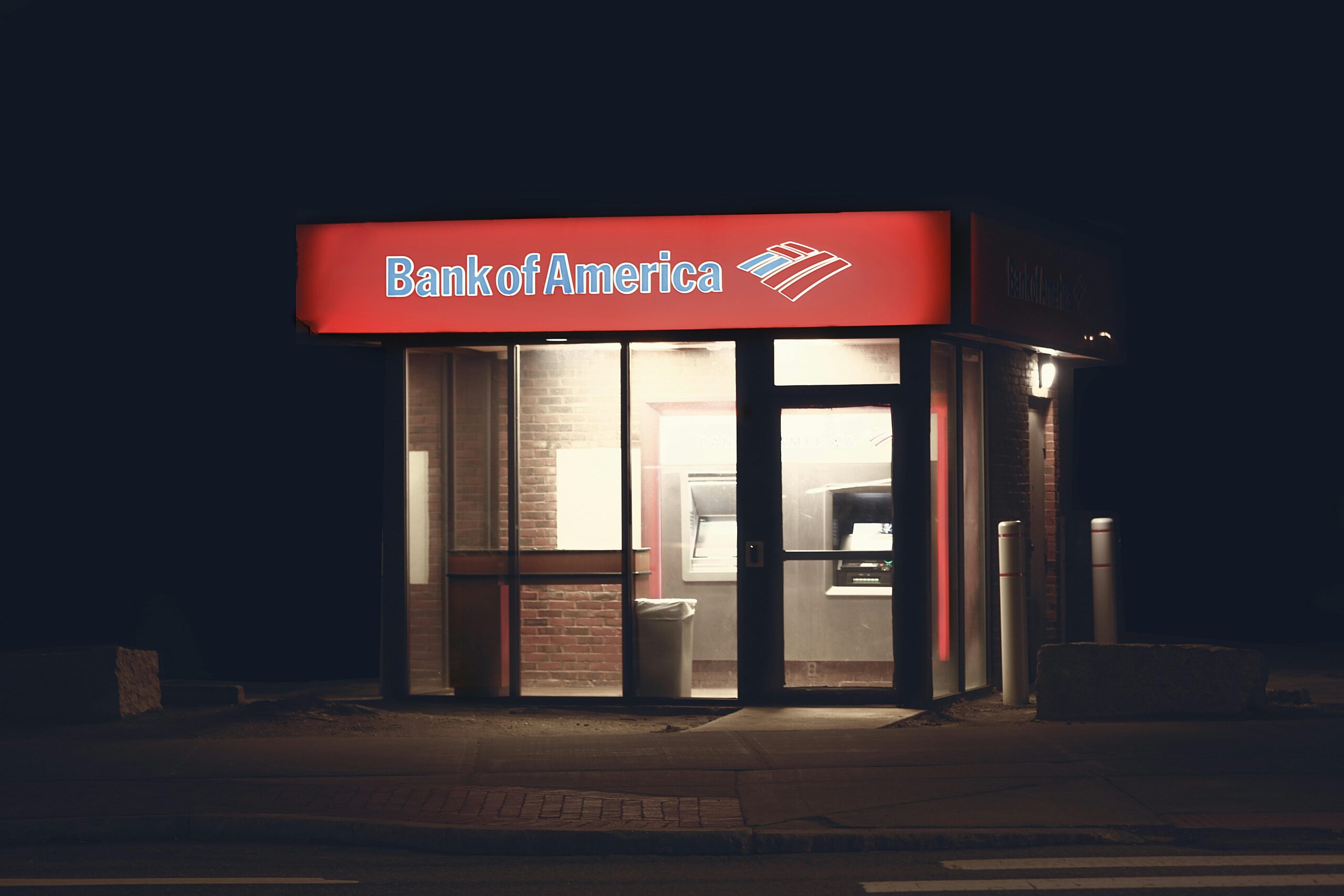
CAN I BORROW BANK OF AMERICA
CAN I BORROW $500 FROM BANK OF AMERICA
OUTLINE
Can I Really Borrow $500 From Bank of America?
Alternative Ways to Access $500 at Bank of America
Who Can Qualify for a Small Dollar Loan?
How Fast Can I Get the $500?
Fees and Interest to Consider
Is Borrowing From Bank of America Better Than a Payday Loan?
What If Bank of America Denies My Request?
Can I Really Borrow $500 from Bank of America?
I’ve often wondered if I could borrow a small amount, like $500, from Bank of America. You might be asking yourself the same question, especially if you’re facing an unexpected bill or a sudden expense. It seems like such a simple amount, but when I looked into it, I realized that borrowing from a bank—even for a small sum—comes with some important considerations.
When I checked Bank of America’s personal loan options, I noticed that they usually start at amounts much higher than $500. You might be surprised to learn that small personal loans aren’t common at big banks. For me, this meant that getting exactly $500 as a personal loan might not be realistic. You might need to explore alternative ways to access a small amount of money quickly.
One of the first things I considered was my credit score. I realized that even for a small loan, banks like Bank of America still look at your credit history, income, and employment. You should check your credit score before applying, because it can significantly affect your chances of approval. When I checked mine, I found that I was eligible for certain options, but they weren’t necessarily ideal for such a small amount.
I also explored other solutions. A personal line of credit, for example, allows me to borrow small amounts as needed. You might find this more flexible than a standard loan. Another option I considered was a credit card cash advance or using overdraft protection. Both of these options could give me quick access to $500. You could use the same approach if you have an active account with Bank of America and access to these features.
Of course, borrowing even a small sum comes with costs. I discovered that the effective interest rates or fees on a $500 loan could be higher relative to the amount borrowed. You need to factor this in before deciding. For me, the fees were the biggest downside, but the convenience of getting the money quickly was appealing. You’ll want to weigh both the costs and the speed of access when deciding what works best for you.
If I were to borrow $500 from Bank of America, here’s the approach I would take—and you can too: first, check your account options and eligibility. Next, review your credit score to make sure you qualify. Then, consider whether a personal loan, line of credit, or overdraft makes the most sense for your situation. Finally, apply online or in person, and review all terms carefully before accepting any funds.
Borrowing exactly $500 from Bank of America as a personal loan isn’t straightforward, but with alternative options like a line of credit or a credit card cash advance, it’s still possible. You just have to know the right approach and consider the costs carefully.
Can I Borrow $500 From Bank of America?
There are moments in life when I suddenly need $500 fast. Sometimes it is for rent, an overdue utility bill, a medical co-pay, groceries, or a car repair I did not expect. If you are in that situation right now, you may be asking the same question I would ask: Can I borrow $500 from Bank of America?
The honest answer is yes, it may be possible, but it depends on your financial profile, account relationship, income, credit history, and what products are currently available to you. While many people assume banks only lend large amounts, that is not always true. Some banks provide smaller borrowing solutions for qualified customers.
If I needed a small emergency amount, I would want a safe option with fair terms instead of turning to expensive payday lenders. You probably want the same thing. In this guide, I’ll explain how borrowing $500 from Bank of America may work, who may qualify, how quickly funds could arrive, what fees to watch out for, and what you can do if your request gets denied.
Can I Really Borrow $500 From Bank of America?
Yes, I may be able to borrow $500 from Bank of America, but it may not come in the form of a traditional personal loan.
Banks often structure small borrowing through alternative products rather than standard installment loans. That means if you need $500, the bank may offer another route such as:
- A small-dollar loan program
- Credit card cash advance
- Personal line of credit
- Overdraft-related coverage
- Prequalified customer offer
- Credit card balance access
If I already have a checking account with regular deposits and a positive history, my chances may improve. You may also have better odds if you already bank there and manage your account responsibly.
Banks like to lend where they can see repayment patterns. So if you receive direct deposits, maintain balances, and avoid unpaid fees, that may help more than you realize.
Alternative Ways to Access $500 at Bank of America
If I needed $500 quickly, I would explore every available path before rushing into a costly loan. You should do the same.
1. Small-Dollar Loan Programs
Some major banks have introduced short-term emergency loan options to compete with payday lenders. These products may allow me to borrow a few hundred dollars and repay in fixed installments.
If available to you, this can be one of the smartest routes because terms are usually clearer and safer than payday loans.
2. Credit Card Cash Advance
If I already have a credit card issued by Bank of America, I may be able to withdraw cash up to part of my credit limit.
This can be fast, but I personally treat it as a last resort because:
- Interest may begin immediately
- Fees may apply
- Rates can be higher than purchases
You should read the terms before using this option.
3. Personal Line of Credit
A line of credit gives me flexible access to money up to an approved limit. If I only need $500, I can borrow exactly $500 rather than taking more than necessary.
That flexibility can be useful if your income comes in waves.
4. Overdraft Protection
If I have linked overdraft services, I may be able to cover a short-term expense. However, I remind myself that overdraft is still a form of borrowing and may involve fees.
5. Prequalified Offers
Sometimes banks show borrowing offers when I log in to online banking. You may already have an available offer without realizing it.
Who Can Qualify for a Small Dollar Loan?
Whenever I apply for money, I know lenders look at risk. They want confidence that I can repay what I borrow. You should expect similar checks.
Common Factors That May Help:
Stable Income
If I receive regular wages, self-employment income, pension income, or other reliable deposits, it can strengthen my application.
Existing Banking Relationship
If I already use Bank of America for checking or savings, that relationship may help.
Positive Account History
Banks may look favorably on customers who avoid repeated overdrafts, returned payments, and unpaid fees.
Reasonable Debt Levels
If my current monthly debt is already too high, approval may be harder.
Credit Profile
Not every small-dollar option depends heavily on credit, but stronger credit often helps.
Identity Verification
You usually need valid identification and legal eligibility to open or use lending products.
Even if your credit is not perfect, do not assume you have zero chance. Some banks weigh account behavior heavily.
How Fast Can I Get the $500?
When I need emergency money, speed matters. You probably care less about theory and more about how fast cash can arrive.
Same Day Funding
If I already qualify for an internal offer and accept digitally, funds may arrive the same day.
Next Business Day
Some approved requests may fund within one business day.
Several Days
If identity checks, document review, or manual underwriting is needed, it may take longer.
Fastest Scenario
Usually, the fastest path is when:
- I am already a customer
- My account is active
- Direct deposits are visible
- My identity is verified
- I apply online
If you need speed, check your online account first before applying elsewhere.
Fees and Interest to Consider
Whenever I borrow $500, I focus less on the approval and more on the true cost. You should do the same.
Possible Costs Include:
- Interest charges
- Monthly payments
- Cash advance fees
- Late fees
- Annual fees on some products
- Overdraft fees
- Transfer fees
If I borrow $500 and end up repaying $700, that matters.
Questions I Always Ask:
- What is the total repayment amount?
- What is the APR?
- How many payments will I make?
- Is there a late fee?
- Can I repay early without penalty?
- When is the first payment due?
You should never borrow blindly.
Is Borrowing From Bank of America Better Than a Payday Loan?
In many situations, yes.
If I compare a mainstream bank option to a payday lender, the bank often wins on safety and cost. Payday loans are known for short repayment windows and expensive fees.
Why I Prefer a Bank Option:
- Lower fees in many cases
- More transparent terms
- Better consumer protections
- Opportunity to build financial relationship
- Less chance of rolling debt repeatedly
Why Payday Loans Can Be Dangerous:
If I cannot repay on time, I may need another loan to cover the first one. That cycle can become expensive fast.
You may think a payday loan solves today’s problem, but it can create next month’s problem.
Whenever possible, I would compare bank-based options first.
What If Bank of America Denies My Request?
A denial can feel discouraging. I understand that. But denial does not mean you are out of options.
1. Ask Why You Were Denied
Possible reasons include:
- Low credit score
- Limited income
- Too much existing debt
- New account history
- Verification issue
- Past banking problems
Once I know the reason, I know what to fix.
2. Try a Smaller Amount
If I asked for $500, I might qualify elsewhere for $250 or $300.
3. Consider a Credit Union
Credit Union National Association affiliated credit unions often provide member-friendly small loans.
4. Borrow From Family Carefully
If you go this route, set written repayment expectations.
5. Increase Cash Quickly
If I need money urgently, I may:
- Sell unused electronics
- Do freelance work
- Offer local services
- Deliver food
- Pick up weekend gigs
6. Reapply Later
If I improve income, reduce debt, or rebuild credit, I may qualify later.
Smart Ways I Would Use a $500 Loan
If I borrow money, I want it solving a real problem.
Best uses may include:
- Emergency rent gap
- Car repair to keep working
- Medical expense
- Utility shutoff prevention
- Essential groceries during short-term hardship
- Temporary bill bridge before payday
I avoid borrowing for:
- Designer shopping
- Vacations
- Gambling
- Impulse purchases
- Luxury items
You should use borrowed money strategically.
How to Improve Your Chances of Approval
If I wanted the best chance of getting approved, I would do these things first:
- Keep my checking account positive
- Receive direct deposit regularly
- Lower credit card balances
- Pay bills on time
- Avoid multiple loan applications at once
- Verify my income documents
- Check prequalified offers first
Small habits can create better approval odds.
Real Example Scenario
Let’s say I need $500 for a car repair so I can continue going to work.
If I ignore the issue, I may lose income. If I use a fair small-dollar loan and repay over time, the repair may protect my earnings.
That is an example of smart borrowing.
But if I borrow $500 for shopping and struggle to repay, that is weak borrowing.
The reason behind the loan matters.
Final Verdict: Can You Borrow $500 From Bank of America?
Yes, you may be able to borrow $500 from Bank of America through a small-dollar loan, credit line, cash advance, or another customer-based option.
If I were you, I would first log in to my account, review available offers, compare the total cost, and borrow only what I truly need.
You should always remember this: getting approved is not the only goal. The real goal is borrowing in a way that helps you, not harms you.
A fast $500 can solve a short-term emergency, but only if repayment fits your budget.
Borrow carefully, compare wisely, and protect your future finances.
FAQs
Q1: Can I get $500 instantly from Bank of America?
A1: Yes, using Balance Assist or a credit card cash advance, I can often receive funds the same day.
Q2: Does Bank of America offer emergency loans?
A2: Yes, Balance Assist acts as a small emergency loan if you meet the eligibility requirements.
Q3: What credit score do I need to borrow $500?
A3: Small-dollar options like Balance Assist do not always require a perfect credit score, but a good standing account is necessary.
Q4: Is Balance Assist better than a payday loan?
A4: Absolutely. From my experience, it’s safer, cheaper, and more transparent than payday loans.
Q5: Can I borrow $500 without a credit check from Bank of America?
A5: Balance Assist may not perform a traditional credit check, but they will review your account history and eligibility.
Q6: How long does it take to get approved?
A6: Approval can be almost instant, but depending on the method, funds may take up to 24 hours.

$50,000 Personal LOAN
https://www.usbank.com/loans-credit-lines/personal-loans-and-lines-of-credit/personal-loan.html
HOW TO GET A $50,000 PERSONAL LOAN
OUTLINE
- Introduction
- Do you qualify ? Key Requirements Lenders look at.
- Where to get a $50,000 personal loan.
- How to apply step by step.
- Tips to boost your chances of approval.
How to Get a $50,000 Personal Loan
A straightforward, no-fluff guide to qualifying, applying, and getting funded
Introduction
I want to be completely honest with you from the start: getting a $50,000 personal loan is not as complicated as most financial websites make it sound. I have spent time breaking down exactly how this process works, and what I have found is that most people who fail to get approved do so not because they are financially unqualified, but because they walked into the process without knowing what lenders are actually looking for.
If you are reading this, you already have an advantage. Whether you need the money to wipe out high-interest credit card debt, renovate your home, cover an unexpected medical bill, or handle a major life expense, I am going to walk you through every step of this process in plain English. No unnecessary jargon. No vague advice. Just what you need to know and do to get approved.
So let me start with the most important question you should be asking yourself right now.
Do You Qualify? Key Requirements Lenders Look At
Before you fill out a single application, I want you to understand exactly what a lender sees when they look at your file. Think of it this way: a lender is asking themselves one fundamental question about you — ‘Can this person reliably pay back $50,000?’ Everything they check is designed to answer that question.
Credit Score. This is the number that opens or closes doors. I have seen people with scores as low as 630 get approved with the right lender, but most mainstream lenders want to see at least 660 to 700. If your score is above 720, you are in a great position. If it is below 650, I would recommend taking 3 to 6 months to improve it before applying — the difference in interest rate alone can save you thousands of dollars over the life of the loan.
Debt-to-Income Ratio (DTI). Your DTI tells lenders how much of your monthly income is already spoken for by existing debts. Here is how you calculate it: add up all your monthly debt payments (credit cards, car loans, student loans, etc.) and divide by your gross monthly income. If you earn $5,500 a month and pay $1,650 in debts, your DTI is 30%. Most lenders want this below 40%. If yours is higher, you either need to increase your income or pay down some debts before applying.
Stable Income. Lenders want to see that you have been earning consistent income for at least 12 to 24 months. If you are employed full-time, this is straightforward. If you are self-employed or freelance, I strongly suggest having two years of tax returns ready to show a pattern of reliable earnings.
Credit History Length and Payment History. Lenders also look at how long you have had credit and whether you have paid on time. A long history of on-time payments tells a lender you are dependable. A few missed payments, especially recent ones, can be a red flag. If you have had late payments in the past, be prepared to explain them.
! Quick check: Before you apply anywhere, pull your free credit report at AnnualCreditReport.com. I cannot tell you how many applications get hurt by errors that the borrower did not even know existed. Dispute anything that looks wrong — it is free and it works.
Where to Get a $50,000 Personal Loan
Here is what I have learned about the lending landscape: not all lenders are created equal, and your best option depends entirely on your personal financial profile. Let me break down your main choices.
Traditional Banks. If you have an existing relationship with a bank — meaning you have had a checking or savings account with them for years — that relationship matters. Banks like Chase, Wells Fargo, and Citibank often extend better terms to existing customers. The downside is that they tend to have stricter credit requirements and slower approval timelines.
Credit Unions. In my opinion, credit unions are the most underrated option for large personal loans. They are member-owned institutions that typically offer lower interest rates and are more willing to look at your full financial picture rather than just your credit score. If you are a member of a credit union like Navy Federal or PenFed, I would check with them first.
Online Lenders. This is where most people have the most success today. Platforms like SoFi, LightStream, Upgrade, and Marcus by Goldman Sachs offer fast approvals, competitive rates, and a fully digital process. Many of them also let you pre-qualify without a hard credit pull, which I will explain more in the next section.
Peer-to-Peer Lending. If you have been turned down elsewhere, platforms like LendingClub are worth exploring. They connect borrowers with individual investors who may be willing to fund your loan. The rates can be higher, but the approval criteria are sometimes more flexible.
How to Apply — Step by Step
I want to walk you through this process the way I would explain it to a close friend. Here is exactly what you need to do, in the right order.
1 Check and Clean Up Your Credit Report
Go to AnnualCreditReport.com and pull your reports from all three bureaus: Equifax, Experian, and TransUnion. Look for any errors, duplicate accounts, or outdated negative marks. Dispute anything inaccurate. This single step can add 20 to 50 points to your score before you apply.
2 Know Exactly How Much You Need
Do not borrow $50,000 just because you can. Sit down and calculate precisely what you need. Borrowing $5,000 more than necessary means paying interest on money you did not need — and that adds up fast over a 3 to 5 year repayment term.
3 Pre-Qualify With Multiple Lenders
I always recommend pre-qualifying with at least three lenders before you commit to anyone. Pre-qualification uses a soft credit inquiry, which means it does not affect your credit score at all. It gives you a real interest rate estimate and lets you compare your options side by side.
4 Gather Your Documents
Before submitting your formal application, have these ready: a government-issued photo ID, your last two or three pay stubs, your most recent tax return, two to three months of bank statements, and your Social Security Number. Having everything ready speeds up approval significantly.
5 Submit Your Application
Once you have chosen your lender, go ahead and submit the full application. This triggers a hard credit inquiry, which may temporarily drop your score by 5 to 10 points. That is normal and expected — and it recovers within a few months.
6 Review Your Loan Offer Carefully
Do not just look at the monthly payment. Read the full offer: the APR, the origination fee, whether there are prepayment penalties, and the total amount you will pay over the life of the loan. I have seen people accept offers that looked great monthly but cost thousands more over five years.
7 Receive Your Funds
After you sign, online lenders typically fund within one to three business days. Banks and credit unions usually take five to seven business days. Once the money is in your account, you are ready to go.
Tips to Boost Your Chances of Approval
Even if your profile is not perfect right now, there are things you can do to improve it. I want to share the strategies that actually make a difference — not the generic advice you have probably already read a dozen times.
Pay down your revolving balances first. If you have credit card debt, paying it down before applying is one of the fastest ways to improve your credit utilization ratio and lift your score. Try to get each card below 30% of its limit — below 10% is even better.
Apply with a co-signer if you need one. If your credit or income is not quite where it needs to be, adding a co-signer with strong financials can make the difference between a rejection and an approval. Just make sure your co-signer understands they are equally responsible for the debt if you cannot pay.
Do not apply to multiple lenders all at once. Space out your formal applications. Each hard inquiry stays on your report for two years and too many in a short window signals to lenders that you are desperate for credit.
Consider a secured personal loan if you are struggling. Secured loans are backed by an asset like a savings account or vehicle. Lenders take on less risk, which means you have a better shot at approval — even with a lower credit score.
Be honest on your application. I cannot stress this enough. Lenders verify everything, and even minor inconsistencies can trigger additional scrutiny or an outright rejection. Accuracy and consistency across your documents matter.
Frequently Asked Questions
What credit score do I need for a $50,000 personal loan?
Most lenders want to see a minimum score of around 660, though I have seen approvals come in a bit lower with the right lender. If your score is 720 or above, you are likely to qualify for the most competitive rates available. If you are below 650, I would strongly recommend spending three to six months building your score before you apply.
How much income do I realistically need to qualify?
There is no magic number, but most lenders want your total monthly debt payments — including the new loan — to stay below 40 to 43 percent of your gross monthly income. For a $50,000 loan, that often means you need annual income somewhere in the range of $50,000 to $70,000, depending on your other obligations.
How quickly can I get the money?
If you apply with an online lender and have your documents ready, you could be looking at funds in your account within 24 to 72 hours of approval. Banks and credit unions are slower — typically five to ten business days. I always recommend having everything prepared in advance so there are no delays on your end.
Will applying hurt my credit score?
Pre-qualifying will not affect your score at all — it uses a soft pull. But when you submit a formal application, expect a temporary dip of five to ten points from the hard inquiry. It is not something to lose sleep over. The impact fades within a few months and is completely outweighed by the benefit of getting the loan and managing it responsibly.
Can I get approved with bad credit?
It is harder, but not impossible. Your best options are applying with a creditworthy co-signer, using collateral to secure the loan, or finding a lender that specializes in fair-credit borrowers. I will be honest with you though — if your score is below 580, the interest rates on offer are likely to be painfully high. It is almost always worth taking three to six months to improve your score first.
What interest rate should I expect?
That depends heavily on your credit profile. Borrowers with excellent credit can find rates as low as 7 to 9 percent APR. If your credit is fair, you might be looking at 18 to 25 percent. Always compare the full APR — not just the headline rate — because origination fees and other charges can significantly change what you are actually paying.
Are there any fees I need to watch for?
Yes, and I want you to read every line of your loan agreement before you sign. The most common fees are origination fees, which are typically 1 to 8 percent of the loan amount and sometimes deducted from your payout, late payment fees, and in some cases prepayment penalties if you pay off the loan early. Always ask about these upfront.
What can I use the loan money for?
Personal loans are flexible by design. Most people use them for debt consolidation, home improvements, medical bills, large purchases, or unexpected emergencies. Some lenders do restrict usage for certain purposes like starting a business or investing — so if you have a specific use in mind, confirm with your lender before you apply.
You have everything you need to move forward with confidence.
Start by pulling your credit report today, then pre-qualify with at least three lenders before committing to any one offer.
CAN I GET A $30,000 LOAN WITH NO CREDIT?
There are times when I may need a large amount of money quickly. Maybe I want to consolidate debt, cover an emergency, start a business, relocate, pay tuition, or handle a major life expense. If you are in that position, one question may be on your mind: Can I get a $30,000 loan with no credit?
The honest answer is yes, it may be possible, but it can be more challenging than applying with strong credit history. When I have no credit, lenders do not have enough borrowing records to judge how I manage debt. That means they may rely on other factors such as income, employment stability, savings, assets, and banking history.
If you are worried because you have never used credit cards or loans before, that does not automatically mean rejection. No credit is often different from bad credit. In many cases, I would rather have no credit than a history full of missed payments. You may still have options if you prepare properly.
In this article, I’ll explain exactly how I would approach getting a $30,000 loan with no credit, what lenders may look for, where I would apply, what risks to avoid, and what smart alternatives you may consider. I will also answer common questions at the end so you can move forward with confidence.
Table of Contents
- Can I Really Get a $30,000 Loan With No Credit?
- What Lenders Look at Instead of Credit
- Best Ways to Get a $30,000 Loan With No Credit
- Risks and Mistakes I Would Avoid
- My Smart Strategy for Approval
- FAQs and Answers
1. Can I Really Get a $30,000 Loan With No Credit?
Yes, I may be able to get a $30,000 loan with no credit, but I need to understand that lenders are taking a bigger risk when they lend money without seeing credit history. A lender wants proof that I can borrow responsibly and repay on time. If there is no credit file, they may use other ways to judge me.
When I apply for a smaller loan, lenders may be more flexible. But $30,000 is a substantial amount, so they usually want stronger evidence of financial stability. If you are applying for this amount, expect questions about your job, monthly income, savings, and current debts.
No credit usually means:
- I have never had a credit card
- I have never taken a loan
- I do not have enough history to generate a score
- My file is too thin for standard lending models
That is different from bad credit, where missed payments and defaults appear on record. In some ways, no credit can be easier to explain.
If I earn solid income and have low expenses, lenders may still consider me. You may also qualify if you run a profitable business, receive regular freelance income, or have valuable assets.
However, I must stay realistic. Approval is possible, but terms may not be perfect. Some lenders may charge higher interest or ask for more documentation. Others may offer a smaller amount first.
If you ask me honestly, I would say yes, it can happen, but preparation matters. I would not apply casually. I would build the strongest possible application before submitting anything.
2. What Lenders Look at Instead of Credit
If I have no credit history, lenders still need another way to measure trust. That means they usually examine my financial life more closely. You should expect the same.
Income
The first thing I expect lenders to check is income. If I earn enough money consistently every month, that can help prove repayment ability. You may need to provide pay stubs, tax returns, or bank deposits.
Employment Stability
If I have been employed steadily for a year or more, lenders may feel more comfortable. Frequent job changes can create concern. If you have stable work, make sure to highlight it.
Debt-to-Income Ratio
This measures how much of my income already goes toward bills. If I already owe too much, lenders may hesitate. You should reduce unnecessary debt before applying if possible.
Bank Statements
Many lenders now review bank statements. If I manage my account responsibly, avoid overdrafts, and keep regular balances, that can help me look trustworthy.
Savings and Assets
If I have money saved or own assets such as a vehicle, investments, or equipment, lenders may see lower risk. You may also use savings as a sign of responsibility.
Housing Stability
If I have lived in one place consistently and pay rent on time, that can help show reliability.
Co-Signer
If someone with strong credit agrees to co-sign, approval may become easier. But I would be careful because that person becomes legally responsible if I fail to pay.
The lesson here is simple: if I do not have credit history, I need to show strength in every other area. You should do the same by organizing your finances before applying.
3. Best Ways to Get a $30,000 Loan With No Credit
If I needed $30,000, I would not waste time applying randomly. I would focus on realistic lending options first. You should be strategic as well.
Online Personal Loan Lenders
Some online lenders consider applicants with limited or no credit history. They may review income and bank activity instead of relying only on scores. This can be a useful route.
Credit Unions
Credit Union National Association affiliated institutions are often more flexible than major banks. If I were a member, I would check there first because they may offer better terms.
Secured Loans
If I have collateral such as a savings account or vehicle, I may qualify for a secured loan. This can improve approval odds because the lender has protection.
Co-Signed Loans
If someone I trust with strong credit helps me, lenders may approve more easily. But I would never ask casually. It can affect the relationship if problems arise.
Employer or Payroll Loans
Some employers partner with financial services that offer employee loans based on income. If you have access, this may be worth checking.
Business Loans
If I need $30,000 for business purposes and I have business revenue, I may apply for a business loan instead of personal borrowing.
Build Credit First
If I do not urgently need the money, I may spend several months building credit first through secured cards or credit-builder tools. You may save thousands in interest by waiting.
If I were you, I would compare at least three lenders before accepting any offer.
4. Risks and Mistakes I Would Avoid
Whenever I need money badly, I know emotions can cause expensive mistakes. You may feel pressure too, so staying careful matters.
Predatory Lenders
Some lenders target people with no credit by promising guaranteed approval while charging huge fees. If I see vague terms, hidden charges, or pressure tactics, I walk away.
Borrowing Too Much
If I only need $15,000, taking $30,000 creates extra debt. You should borrow based on need, not temptation.
Ignoring Total Cost
I never focus only on monthly payment. A lower monthly payment over many years can cost more overall. You should always check total repayment.
Applying Everywhere
Too many applications can waste time and create stress. I prefer targeted applications with lenders that fit my situation.
Missing Payments
If I do get approved, missing payments can damage my future borrowing ability. I would set reminders or autopay immediately.
Using the Loan Poorly
I avoid using large loans for shopping, luxury travel, or impulse spending. If you borrow, use the money to solve a real problem or create value.
Not Reading the Fine Print
Before signing, I always want to know:
- APR
- Monthly payment
- Late fees
- Prepayment rules
- Loan term
- Total cost
You should never sign what you do not understand.
5. My Smart Strategy for Approval
If I personally needed $30,000 with no credit, this is the exact strategy I would follow.
Step 1: Review My Budget
I would calculate how much monthly payment I can comfortably handle. You should never guess.
Step 2: Gather Documents
I would prepare:
- Government ID
- Proof of income
- Tax returns
- Bank statements
- Proof of address
- Employment details
Step 3: Start With Trusted Lenders
I would begin with credit unions, reputable online lenders, or institutions where I already bank.
Step 4: Compare Offers Carefully
I would compare rates, fees, terms, and monthly payments—not just approval.
Step 5: Consider Smaller Amount First
If $30,000 is hard to secure, I may borrow less now and refinance later.
Step 6: Build Credit Immediately
Even if approved, I would start building credit so future borrowing becomes easier and cheaper.
Step 7: Use the Money Wisely
If I borrow $30,000, I want it improving my life, income, or stability—not creating regret.
This is how I would protect myself while still pursuing the funds I need. You can follow the same path.
Final Verdict
Yes, I may be able to get a $30,000 loan with no credit, but approval usually depends on income, stability, documentation, and lender flexibility. You may qualify through online lenders, credit unions, secured loans, or co-signed options.
If I were in your position, I would focus on two questions:
- Can I get approved?
- Can I repay comfortably?
The second question matters most.
A $30,000 loan can help when used wisely. But the wrong loan can become a burden. Compare carefully, borrow responsibly, and think long term.
FAQs and Answers
1. Can I get a $30,000 loan with no credit and no job?
It is harder. If I have no job, lenders usually want another reliable income source such as business revenue, pension, or assets.
2. Is no credit better than bad credit?
Often yes. No credit means limited history, while bad credit may show missed payments.
3. Can I get instant approval?
Some lenders prequalify quickly, but full approval for $30,000 often takes review.
4. Should I use a co-signer?
If I trust the relationship and know I can repay, it may help. But it places risk on the co-signer.
5. Can I use collateral?
Yes. A secured loan may improve approval odds.
6. What if I get denied?
I would improve income, reduce debts, build credit, and try again later.
7. What is the smartest option if I am not in a hurry?
I would spend a few months building credit first. Better credit can mean better rates and easier approval.

$20,000 LOAN FOR 5 YEARS
How Much Is a $20,000 Loan for 5 Years?
There are times when I need a significant amount of money, and a personal loan feels like the most practical solution. Maybe I want to consolidate debt, repair my car, cover medical expenses, improve my home, or fund a major life event. If you are considering borrowing, one question probably comes to mind immediately: How much is a $20,000 loan for 5 years?
The honest answer is that it depends on the interest rate, fees, and lender terms. A $20,000 loan repaid over five years can have very different monthly payments depending on your credit profile and the lender you choose. If I qualify for a low rate, I may save thousands. If you accept a high rate too quickly, you may pay far more than expected.
Whenever I borrow money, I remind myself that the loan amount is only part of the story. The real question is: What will this cost me every month and in total? You should ask the same thing before signing any agreement.
In this guide, I’ll walk you through what a $20,000 five-year loan may cost, how lenders calculate payments, factors that affect your rate, how I would reduce borrowing costs, and what smart alternatives you may consider. I’ll also finish with FAQs and answers so you leave with clarity.
Table of Contents
- How Much Is a $20,000 Loan for 5 Years Monthly?
- What Affects the Cost of a $20,000 Loan?
- Real Examples of Payments and Total Costs
- How I Would Get the Lowest Payment Possible
- Is a $20,000 Loan for 5 Years Worth It?
- FAQs and Answers
1. How Much Is a $20,000 Loan for 5 Years Monthly?
If I borrow $20,000 for five years, I usually repay the loan over 60 monthly payments. That means my payment depends mostly on the interest rate. You may be surprised how much rates change the final cost.
Here are rough examples:
- 8% APR – about $406/month
- 12% APR – about $445/month
- 16% APR – about $486/month
- 20% APR – about $530/month
- 25% APR – about $587/month
As you can see, the same $20,000 loan can cost very different amounts depending on the lender and your creditworthiness. If I qualify for 8% instead of 20%, I may save thousands over five years. You would likely want the same advantage.
When I first look at a loan, I do not focus only on the monthly payment. A lower payment can sometimes mean a longer term or hidden fees. You should also ask:
- What is the APR?
- Are there origination fees?
- What is the total repayment amount?
- Is there a prepayment penalty?
If I only chase the smallest monthly payment, I may overlook a much higher total cost.
For many borrowers, a five-year term feels manageable because it spreads payments out. You may appreciate the lower monthly burden compared with a three-year loan. But the tradeoff is often more total interest over time.
If you ask me directly how much a $20,000 loan for five years is, I would say this: expect anywhere from around $400 to $600+ monthly depending on rate and fees. That is why comparing offers matters so much.
2. What Affects the Cost of a $20,000 Loan?
When I apply for a loan, I know the lender does not randomly choose a number. Several factors determine what I pay, and the same applies to you.
Credit Score
My credit score is often one of the biggest pricing factors. Higher scores usually mean lower rates. If you have strong credit, lenders may compete for your business.
Income
If I earn stable income, lenders may feel more confident. You should expect to provide proof of employment or earnings.
Debt-to-Income Ratio
If most of my income already goes to other debts, lenders may charge more or deny me. You may improve chances by paying down balances first.
Loan Term
A five-year loan lowers monthly payments compared with shorter terms, but total interest may rise. If I can afford a shorter term, I may save money.
Lender Type
Banks, credit unions, and online lenders all price differently. Credit Union National Association affiliated institutions often provide competitive rates.
Fees
Some loans include origination fees, late fees, or processing charges. If I ignore fees, the loan may cost more than expected.
Economic Conditions
Rates can rise or fall based on the broader economy. If market rates are high, even good borrowers may pay more.
Whenever I borrow, I remember that some factors I cannot control, but many I can improve. If I raise my credit score, lower my debts, and compare lenders, I may get better pricing. You can do the same.
3. Real Examples of Payments and Total Costs
I find it helpful to look at real numbers rather than vague promises. You may also understand loans better when the math is clear.
Example 1: Good Credit Borrower
If I qualify for 8% APR, I may pay about $406/month for 60 months.
- Monthly payment: ~$406
- Total repaid: ~$24,360
- Interest paid: ~$4,360
That is a relatively efficient loan.
Example 2: Average Credit Borrower
If I qualify for 14% APR, I may pay about $465/month.
- Monthly payment: ~$465
- Total repaid: ~$27,900
- Interest paid: ~$7,900
Now the cost is much higher.
Example 3: Lower Credit Borrower
If I receive 22% APR, I may pay about $552/month.
- Monthly payment: ~$552
- Total repaid: ~$33,120
- Interest paid: ~$13,120
That means interest alone becomes a large burden.
When I compare these examples, I realize something important: the loan amount stays $20,000, but pricing changes everything. You may borrow the same amount as someone else yet repay thousands more.
This is why I never accept the first offer blindly. If I shop around and reduce my APR even a few percentage points, the savings can be substantial.
You should also remember that lenders may advertise “as low as” rates that many people never receive. My actual offer depends on my profile.
4. How I Would Get the Lowest Payment Possible
If I wanted a $20,000 loan for five years, I would focus on lowering both monthly payment and total cost. You should think strategically too.
Improve Credit Before Applying
Even a modest credit score increase can help me secure a better rate. If you are not in a rush, improving credit first may save money.
Pay Down Existing Debt
Lower balances can improve my debt-to-income ratio. Lenders often reward lower risk.
Compare Multiple Lenders
I would check banks, credit unions, and online lenders. You should compare at least three offers.
Use Prequalification
Many lenders allow soft-check prequalification. This lets me preview rates without hurting my score.
Avoid Unnecessary Fees
If one lender charges large origination fees, the “cheap” loan may not be cheap at all.
Consider Shorter Terms If Affordable
If I can handle a higher payment on a three-year loan, I may save interest. You may want to compare options side by side.
Add a Co-Signer
If someone with strong credit helps me, rates may improve. But I would use this carefully because it affects both people.
Whenever I borrow, I remind myself that preparation before applying often matters more than rushing into approval.
5. Is a $20,000 Loan for 5 Years Worth It?
The answer depends on why I need the money and whether repayment fits my budget. You should ask the same question honestly.
When It May Be Worth It
If I use the loan for:
- High-interest debt consolidation
- Necessary home repairs
- Medical needs
- Reliable transportation
- Career or education advancement
- Business investment with clear potential
Then the loan may create value.
When It May Not Be Worth It
If I use it for:
- Luxury shopping
- Vacations I cannot afford
- Gambling
- Impulse purchases
- Lifestyle inflation
Then the debt may become regret.
My Rule
Before borrowing, I ask:
- Do I truly need this money?
- Can I repay comfortably every month?
- Will this loan improve my life or worsen stress?
You should ask yourself the same.
A five-year term can be useful because payments are spread out. But if the rate is too high, I may reconsider or wait until my financial profile improves.
Final Verdict
So, how much is a $20,000 loan for 5 years? In most cases, around $400 to $600+ per month, depending on APR, fees, and lender terms.
If I qualify for a low rate, the loan can be manageable and useful. If I accept a high rate too quickly, the total cost may become expensive. You should compare offers carefully and borrow only when repayment fits your budget.
A loan should solve a problem, not create a bigger one.
FAQs and Answers
1. What credit score do I need for a $20,000 loan?
Many lenders prefer fair to excellent credit, but exact requirements vary. Higher scores usually mean better rates.
2. Can I get a $20,000 loan with bad credit?
Yes, it may be possible, but rates are often higher.
3. Is five years too long?
Not necessarily. It lowers monthly payments, but total interest may rise.
4. Can I pay the loan off early?
Many lenders allow it, but always check for prepayment penalties.
5. What is the cheapest way to borrow $20,000?
Usually through strong credit, comparing lenders, and choosing low-fee offers.
6. Should I choose the lowest monthly payment?
Not always. Lower payments can mean more interest overall.
7. What would I do first before applying?
I would check my credit, review my budget, and compare multiple lenders before making any decision.

loan in usa for foreigners
Loan in USA for Foreigners
Getting a loan in the U.S. as a foreigner can feel confusing, especially when I am new to the system and still trying to understand how credit, banking, and lending actually work. If you are in the same situation, you may be asking: Can I get a loan in the USA as a foreigner?
The answer is yes, it is possible, but it depends on my immigration status, income, credit history (if any), and the type of loan I am applying for. You should also know that U.S. lenders are usually very strict because they want to reduce risk, especially when dealing with non-citizens or new residents.
When I first arrived or started thinking about borrowing in the U.S., I realized that lenders do not just look at whether I need money. They want proof that I can repay it consistently. If you are a foreigner living in the U.S. or planning to move there, understanding this system is very important.
In this article, I’ll break down how loans work for foreigners in the U.S., what requirements I may face, where I can apply, how I can increase my chances, and what mistakes I should avoid. I will also end with FAQs so you can make better decisions.
Table of Contents
- Can Foreigners Really Get a Loan in the USA?
- Requirements for Foreigners to Get a Loan in the USA
- Types of Loans Available for Foreigners
- How I Would Improve My Chances of Approval
- Challenges, Risks, and Smart Alternatives
- FAQs and Answers
1. Can Foreigners Really Get a Loan in the USA?
Yes, I may be able to get a loan in the USA as a foreigner, but it is not automatic. The U.S. financial system is built around credit history, income tracking, and identity verification. If I am new to the country, I usually start with no credit history, which makes borrowing more difficult at first.
However, being a foreigner does not mean I am excluded. Many lenders actually work with non-citizens every day. If you are living in the U.S. legally and earning income, you may qualify for certain loan products.
What matters most is not my nationality, but my financial behavior. Lenders want to know:
- Do I have a stable income in the U.S.?
- Can I prove where I live?
- Do I have a Social Security Number (SSN) or ITIN?
- Am I legally authorized to stay in the country?
- Do I have any credit history at all?
If I cannot answer these questions properly, my chances are lower. But if I can show stability, I may still qualify.
There are also some lenders who specifically target immigrants, international students, or foreign professionals. These lenders may accept alternative documentation instead of a long credit history.
If you are new to the U.S., you should not assume loans are impossible. Instead, you should assume they are conditional, meaning you need to meet certain requirements first.
From my experience, the key challenge is not being foreign—it is being new to the financial system. Once I understand that, the process becomes more manageable.
2. Requirements for Foreigners to Get a Loan in the USA
When I apply for a loan as a foreigner, lenders usually ask for more documentation than they would for a U.S. citizen. You should expect the same level of scrutiny.
Legal Residency Status
I must show that I am legally in the U.S. This could be through:
- Student visa (F1)
- Work visa (H1B, L1, etc.)
- Green card
- Other legal immigration status
Without legal status, most traditional loans are not available.
Social Security Number (SSN) or ITIN
If I have an SSN, my chances improve significantly. If I do not, I may still qualify with an ITIN (Individual Taxpayer Identification Number), but options are more limited.
Proof of Income
Lenders want to see that I can repay the loan. I may need:
- Pay stubs
- Employment letter
- Bank statements
- Tax returns
If you are self-employed, you may need additional documentation.
U.S. Bank Account
Most lenders require a U.S. bank account so they can deposit funds and collect repayments. Without this, approval is difficult.
Credit History (If Available)
Even a short credit history can help. If I have none, lenders may use alternative scoring methods.
Address Proof
I must show where I live in the U.S., such as a utility bill or rental agreement.
If I meet these requirements, my chances increase. If I do not, I may need to build financial history first before applying.
3. Types of Loans Available for Foreigners
If I am a foreigner in the U.S., I do not have access to every loan type immediately. However, there are still several options available depending on my situation.
Personal Loans
Some lenders offer personal loans to foreigners with income and documentation. These loans can be used for many purposes like rent, travel, or emergencies.
International Student Loans
If I am studying in the U.S., I may qualify for student loans through specialized lenders. These often require a co-signer.
Credit Builder Loans
If I have no credit, this is one of the best starting points. I borrow a small amount, repay it, and build credit history over time.
Secured Loans
If I have collateral like savings or assets, I may qualify more easily. This reduces lender risk.
Co-Signed Loans
If someone with strong U.S. credit co-signs for me, approval becomes easier. However, this creates shared responsibility.
Immigrant-Friendly Lenders
Some financial institutions specialize in serving immigrants and may use alternative data instead of traditional credit scoring.
Credit Union National Association affiliated credit unions are often more flexible and may offer better opportunities for newcomers.
Each loan type has pros and cons. If I rush, I may choose the wrong option. You should always compare carefully.
4. How I Would Improve My Chances of Approval
When I think about getting approved in the U.S. as a foreigner, I know preparation is everything. If I take the right steps, my chances increase significantly. You should do the same.
Build Credit Early
Even small actions help:
- Open a secured credit card
- Pay bills on time
- Keep balances low
Over time, I start building a credit profile.
Maintain Stable Income
Lenders trust consistency. If I switch jobs too often, approval becomes harder. You should aim for steady income history.
Keep Bank Activity Clean
If I manage my bank account responsibly, it shows discipline. Avoiding overdrafts is important.
Start With Small Loans
Instead of going directly for large loans, I may start small and build trust with lenders.
Use a Co-Signer if Possible
If someone trusts me and has strong credit, this can significantly increase approval chances.
Reduce Debt Before Applying
If I already owe money elsewhere, lenders may see me as risky.
Choose the Right Lender
Not all lenders are equal. Some are more open to foreign applicants than others.
If I follow these steps, I position myself as a lower-risk borrower. You can improve your chances the same way.
5. Challenges, Risks, and Smart Alternatives
Even though loans are possible, I must be honest—there are challenges. You should be aware of them too.
Limited Loan Options
As a foreigner, I may not qualify for large traditional bank loans immediately.
Higher Interest Rates
Because I have limited credit history, lenders may charge more.
Strict Documentation
The paperwork can feel overwhelming at first.
Risk of Predatory Lenders
Some lenders target immigrants with unfair terms. If I see unclear fees or pressure tactics, I avoid them.
Loan Denial Risk
Even if I meet requirements, approval is not guaranteed.
Smart Alternatives
If I cannot get approved, I may consider:
- Building credit first
- Using secured credit products
- Starting with credit unions
- Increasing income stability
- Applying after 6–12 months of financial history
If you are not in urgent need, waiting and building financial history may save you money in the long run.
Final Verdict
Yes, I may be able to get a loan in the USA as a foreigner, but it depends heavily on my legal status, income, documentation, and credit history. You should understand that lenders are not rejecting foreigners—they are managing risk.
If I prepare properly, build credit, and choose the right lender, I increase my chances significantly. You can do the same by starting small and building trust over time.
A loan in the U.S. is not impossible for foreigners—it is just structured differently. Once I understand the system, I can navigate it more confidently.
FAQs and Answers
1. Can foreigners get loans in the USA without credit?
Yes, but options are limited. I may need income proof, ITIN, or a co-signer.
2. Can I get a loan in the USA with a visa?
Yes, if I have legal status and meet income requirements.
3. Do I need an SSN to get a loan?
Not always. Some lenders accept ITIN instead.
4. Can international students get loans?
Yes, but usually with a co-signer or specialized student lenders.
5. What is the easiest loan for foreigners?
Credit builder loans or secured loans are often easier to access.
6. Why do lenders reject foreigners?
Usually due to lack of credit history or insufficient income proof.
7. How long should I stay in the U.S. before applying?
Even a few months of stable income and banking activity can help, but 6–12 months is stronger.

PERSONAL LOAN IN USA
Personal Loan in USA
When I think about financial flexibility in the United States, one of the first tools that comes to my mind is a personal loan. If you are living in the U.S. or planning to, you will quickly notice that personal loans are everywhere—banks, online lenders, credit unions, even mobile apps. But even though they are common, understanding how they actually work is where many people (including me at first) get confused.
So in this article, I’m going to break everything down in a simple, human way. I’ll explain how I approach personal loans, what lenders look at, how you can qualify, how much they really cost, and how I make smart borrowing decisions. You should be able to read this and clearly understand your options in the U.S. lending system.
TABLE OF CONTENTS
1. What a Personal Loan in the USA Really Means (≈400 words)
2. How I Qualify for a Personal Loan in the USA (≈400 words)
3. How Much a Personal Loan in the USA Costs Me (≈400 words)
4. Where I Can Get a Personal Loan in the USA (≈400 words)
5. Risks, Smart Tips, and How I Avoid Mistakes (≈400 words)
6. FAQs and Answers
1. What a Personal Loan in the USA Really Means (≈400 words)
When I first heard about personal loans in the USA, I thought it was just “borrowing money from the bank.” But over time, I realized it is more structured than that. A personal loan is money I borrow from a lender and agree to repay in fixed monthly installments over a set period of time.
If you are like me, you might want to use it for many different reasons—rent, emergencies, debt consolidation, travel, school fees, medical bills, or even starting a small business. The important thing is that personal loans are usually unsecured, meaning I don’t need to give collateral like a house or car.
When I take a personal loan, I receive a lump sum upfront. For example, I might borrow $5,000, $10,000, or even $20,000 depending on my approval. Then I repay it monthly with interest added.
You should also understand that lenders in the USA are very focused on risk. They don’t just give money because I ask for it. They analyze my ability to repay using credit history, income, and financial behavior.
Another thing I noticed is that personal loans come with fixed terms. That means my monthly payment stays the same throughout the loan period. This helps me plan my budget better, and it helps you too if you prefer stability.
Loan terms usually range from 12 months to 84 months (1 to 7 years). The longer the term, the lower the monthly payment—but the higher the total interest I may pay.
So in simple terms, a personal loan in the USA is not just borrowing—it is a structured financial agreement where I trade future income for present cash, and you must understand that balance before applying.
2. How I Qualify for a Personal Loan in the USA (≈400 words)
When I apply for a personal loan in the USA, I quickly realize that approval is not based on luck. It is based on data. Lenders evaluate me using a financial profile, and you go through the same process.
The first major factor is my credit score. If I have a strong score, I get better rates. If my score is low or I have no credit, I may still qualify but at higher interest rates.
Next is income. I must show that I earn enough money to repay the loan comfortably. Lenders usually check pay slips, tax returns, or bank deposits. If you are self-employed, you may need additional proof.
Then comes debt-to-income ratio (DTI). This is how much of my income already goes toward debts. If too much of my income is already committed, lenders may see me as risky.
Employment stability also matters. If I change jobs too frequently, lenders may worry about consistency. You should aim for stable income history when applying.
Another factor is my banking behavior. If I constantly overdraft my account or have negative balances, lenders may see me as financially unstable.
If I have no credit history at all, I may still qualify through alternative methods like:
- Secured loans
- Credit-builder loans
- Co-signed loans
- Income-based lending
Some lenders also use “soft data” like rent payments or utility bills.
Credit Union National Association affiliated institutions are often more flexible with first-time borrowers like me, especially when traditional banks reject applications.
The truth is simple: lenders don’t just want to know who I am—they want to know how I behave financially. If you can prove responsibility, your chances increase significantly.
3. How Much a Personal Loan in the USA Costs Me (≈400 words)
When I borrow money, I don’t just look at how much I receive—I look at how much I repay. That is where the real cost becomes clear.
Personal loans in the USA come with interest rates (APR) that usually range from about 6% to 36%. My exact rate depends on credit score, income, and lender type. If you have strong credit, you pay less. If your profile is weak, you pay more.
For example, if I borrow $10,000:
- At 8% APR, I may pay much less interest overall
- At 20% APR, my total repayment increases significantly
- At 30% APR, the loan becomes very expensive quickly
Most personal loans have fixed monthly payments. That means I know exactly what I owe each month, which helps me plan. You should always check this before signing.
There are also fees I may encounter:
- Origination fees (1%–10%)
- Late payment fees
- Returned payment fees
- Prepayment penalties (rare but possible)
If I ignore fees, I may think a loan is cheap when it is actually expensive.
Loan terms also affect cost. A longer loan (like 5–7 years) reduces monthly payments but increases total interest. A shorter loan increases monthly payments but reduces total cost.
So when I calculate cost, I always look at:
- Monthly payment
- Total repayment amount
- APR
- Fees
You should do the same before accepting any offer.
4. Where I Can Get a Personal Loan in the USA (≈400 words)
When I need a personal loan in the USA, I usually compare different lenders because each one offers different advantages.
Banks
Traditional banks are strict but reliable. If I have strong credit and banking history, I may get good rates. However, approval is harder if I am new or have limited credit.
Online Lenders
Online lenders are faster and more flexible. I can often get approval within minutes. You may find this convenient if you need quick access to funds, but rates may vary widely.
Credit Unions
Credit unions are often more community-focused. They may offer lower rates and more flexible approval requirements. Many immigrants and first-time borrowers start here.
Peer-to-Peer Lending Platforms
These connect borrowers like me with individual investors. Approval is based on risk profiles rather than traditional banks.
Specialized Lenders
Some lenders focus on people with low credit or limited credit history. These may be helpful if I am just starting my financial journey in the U.S.
No matter where I apply, I always compare at least three offers before making a decision. You should never accept the first offer without comparison.
5. Risks, Smart Tips, and How I Avoid Mistakes (≈400 words)
Whenever I borrow money, I remind myself that debt is a responsibility, not free cash. You should think the same way.
Risks I Watch Out For
- High interest rates trapping me in long repayment cycles
- Hidden fees that increase total cost
- Borrowing more than I actually need
- Missing payments and damaging credit
- Predatory lenders targeting new borrowers
Smart Tips I Use
- I only borrow what I truly need
- I always compare lenders
- I check total repayment, not just monthly payment
- I avoid rushed decisions
- I read all terms carefully
If I am unsure, I pause and review again. You should never feel pressured into signing quickly.
I also try to improve my credit before applying. Even small improvements can reduce my interest rate and save me money.
Another smart move is building emergency savings so I rely less on loans in the future.
Final Thoughts
A personal loan in the USA can be very useful if I use it correctly. It gives me access to cash when I need it, but it also comes with long-term responsibility.
If you understand how approval works, how costs are calculated, and where to apply, you can make smarter financial decisions. I always remind myself that borrowing is not just about getting money—it is about managing repayment wisely.
You should always ask: Can I comfortably repay this without stress? If the answer is yes, then a personal loan may be a helpful financial tool.
FAQs and Answers
1. Can I get a personal loan in the USA with no credit?
Yes, but options are limited. I may need income proof, a co-signer, or secured loan options.
2. What is the easiest personal loan to get?
Credit-builder loans and online lenders are usually easier for beginners.
3. How fast can I get a personal loan?
Some online lenders approve within minutes and fund within 1–3 days.
4. What credit score do I need?
Many lenders prefer 600+, but some accept lower depending on income.
5. Are personal loans safe?
Yes, if I borrow from reputable lenders and understand the terms.
6. Can I pay off my loan early?
Yes, most lenders allow it, but I should check for prepayment fees.
7. What happens if I miss a payment?
Late fees may apply and my credit score can be affected.
Online loan companies
List of Online Loan Companies in USA
When I first started exploring borrowing options in the United States, I quickly realized that traditional banks are not my only choice. If you are like me, you may want something faster, more flexible, and fully digital. That is where online loan companies in the USA come in.
These companies allow me to apply for loans completely online, get decisions quickly, and in many cases receive funds within 1–3 business days. You may find this especially helpful if you need emergency cash, debt consolidation, or personal expenses without visiting a bank branch.
In this guide, I’ll walk you through how online loan companies work, the most popular platforms in the USA, how I choose the right lender, what risks to watch out for, and how you can improve your approval chances. I will also end with FAQs so everything becomes clear.
TABLE OF CONTENTS
1. What Online Loan Companies in the USA Really Are
2. Major Online Loan Companies I Can Apply With in the USA
3. How I Apply for Online Loans Step by Step
4. How I Choose the Best Online Loan Company for Me
5. Risks, Fees, and Mistakes I Must Avoid
6. FAQs and Answers
1. What Online Loan Companies in the USA Really Are
When I think about online loan companies in the USA, I see them as digital versions of traditional lenders—but much faster and more flexible. Instead of going into a bank, filling paperwork, and waiting days or weeks, I can apply from my phone or laptop.
If you are new to this, you should understand that these companies are not all the same. Some are direct lenders, meaning they give me the money directly. Others are loan marketplaces, meaning they connect me to multiple lenders at once.
The biggest advantage I noticed is speed. I can apply online in minutes, get a decision quickly, and sometimes receive funds within 24 hours. That is very different from traditional banking.
Most online lenders offer personal loans, which are usually unsecured. That means I do not need collateral like a car or house. You may use the money for almost anything—medical bills, emergencies, travel, or debt consolidation.
However, these companies still evaluate risk. Even though the process is digital, they still check:
- Credit score
- Income
- Employment history
- Debt-to-income ratio
- Banking activity
If I have strong credit, I get better interest rates. If my credit is weak or limited, I may still qualify but at higher rates.
One thing I learned is that online lenders use technology heavily. Instead of only traditional credit reports, they may also analyze alternative data like income patterns and bank account behavior.
You should also know that online lending is competitive. Many companies are fighting for customers, so rates and offers can vary widely. That is why comparison is very important.
In simple terms, online loan companies in the USA give me faster access to money with less paperwork—but I still need to be financially responsible when using them.
2. Major Online Loan Companies I Can Apply With in the USA (≈400 words)
When I started researching lenders, I found several well-known online loan companies in the USA. These are some of the most commonly used platforms:
SoFi
SoFi is one of the most popular online lenders. I like it because it offers personal loans, refinancing, and financial tools in one platform. You may find competitive rates if you have good credit.
LendingClub
LendingClub is another major player. It connects borrowers like me with investors. You may find flexible loan options and different credit ranges.
Upstart
Upstart uses artificial intelligence to evaluate borrowers. This means I may qualify even if my credit history is limited, as long as my income and education profile look strong.
Avant
Avant focuses more on borrowers with fair or average credit. If I do not have perfect credit, I may still get approved here.
Best Egg
Best Egg offers fast funding and simple personal loan products. I find it useful when I need a straightforward borrowing option.
Marcus by Goldman Sachs
Marcus by Goldman Sachs is known for no-fee personal loans and transparent pricing.
These companies differ in interest rates, approval requirements, and funding speed. If you are applying, you should never rely on just one option. I always compare at least 3–5 lenders before deciding.
The key lesson I learned is that each platform targets a different type of borrower. Some prefer high-credit users, others are more flexible. You should choose based on your financial profile, not just popularity.
3. How I Apply for Online Loans Step by Step (≈400 words)
Applying for an online loan in the USA is very simple compared to traditional banking, but I still follow a careful process to avoid mistakes.
Step 1: I Check My Credit Profile
Before applying, I look at my credit score so I understand what rates I may receive. If you skip this step, you may be surprised by high interest offers.
Step 2: I Compare Lenders
I do not apply randomly. I compare different companies, interest rates, and terms. You should always do the same.
Step 3: I Prequalify First
Most online lenders allow prequalification without affecting credit. I use this to see potential offers before committing.
Step 4: I Submit My Application
Once I choose a lender, I submit my:
- Personal details
- Income information
- Employment status
- Bank account details
Step 5: I Wait for Approval
Approval can take minutes or a few hours. Some lenders may request extra documents.
Step 6: I Review Loan Offer
If approved, I carefully review:
- APR
- Monthly payment
- Total repayment
- Fees
- Loan term
Step 7: I Accept and Receive Funds
If everything looks good, I accept the offer and funds are usually deposited directly into my bank account.
You should always take your time during the review stage. I never rush this step because it determines how much I will repay in the long run.
4. How I Choose the Best Online Loan Company for Me (≈400 words)
When I look at online loan companies, I do not just choose the first approval. I focus on value, safety, and long-term cost. You should also be selective.
Interest Rate (APR)
This is the most important factor. A small difference in APR can cost me thousands over time.
Fees
I always check for:
- Origination fees
- Late payment fees
- Prepayment penalties
Some lenders are transparent, others are not.
Loan Speed
If I need money urgently, speed matters. Some lenders fund within 24 hours.
Credit Requirements
If I have limited credit, I choose lenders like Upstart that consider alternative data.
Customer Support
If something goes wrong, I want a company that responds quickly.
Reputation
I always check reviews and lender credibility before applying.
If you rush this process, you may end up paying more than necessary. I treat loan selection like a financial decision, not an emotional one.
5. Risks, Fees, and Mistakes I Must Avoid (≈400 words)
Even though online loans are convenient, I always stay careful. You should too.
High Interest Rates
If my credit is weak, I may get high APRs that make repayment expensive.
Hidden Fees
Some lenders include fees that are not obvious at first.
Overborrowing
I never borrow more than I need, even if I qualify for more.
Missing Payments
Late payments damage credit and increase costs.
Fake or Unlicensed Lenders
I avoid lenders that are not properly registered or regulated.
Emotional Borrowing
If I borrow emotionally instead of logically, I may regret it later.
My Safety Rule
If I do not fully understand the terms, I do not sign.
You should always borrow with a repayment plan, not just excitement about getting money.
Final Thoughts
Online loan companies in the USA make borrowing faster and more accessible for me and for you. But convenience should not replace caution. I always compare lenders, understand total cost, and borrow responsibly.
If used wisely, online loans can be a powerful financial tool. If used carelessly, they can become a burden.
The key is simple: borrow smart, compare carefully, and always think long term.
FAQs and Answers
1. What are the best online loan companies in the USA?
Some popular ones include SoFi, LendingClub, Upstart, Avant, and Best Egg.
2. Can I get an online loan with bad credit?
Yes, but interest rates are usually higher.
3. How fast can I get money from online lenders?
Some lenders fund within 24 hours, others take 1–3 business days.
4. Do online loans require collateral?
Most personal loans are unsecured, so no collateral is needed.
5. Are online loans safe?
Yes, if you use licensed and reputable lenders.
6. What credit score do I need?
Many lenders prefer 600+, but some accept lower scores.
7. Should I compare multiple lenders?
Yes, I always recommend comparing at least 3–5 offers before choosing.

usa government loans
US Government Loans
When I first started exploring financing options in the United States, I kept hearing people mention US government loans, and I honestly thought it meant free money from the government. But as I learned more, I realized it is not that simple. If you are like me, you may also be wondering: What exactly are US government loans, and can I actually benefit from them?
The truth is, US government loans are not direct “handouts.” They are structured financial programs backed or insured by the government to help people like me and you access funding under fairer and more regulated conditions. These loans are usually offered through approved lenders, not directly from government offices in most cases.
In this article, I will walk you through how US government loans work, the different types available, who qualifies, how I can apply, and what you should watch out for. I will also end with FAQs so everything becomes very clear for you.
TABLE OF CONTENTS
1. What US Government Loans Really Mean
2. Types of US Government Loans I Can Access
3. How I Qualify for US Government Loans
4. How I Apply for US Government Loans Step-by-Step
5. Benefits, Risks, and Mistakes I Must Avoid
6. FAQs and Answers
1. What US Government Loans Really Mean
When I hear “US government loans,” I used to think the government simply gives people money. But in reality, it is more structured than that. These loans are financial programs supported, insured, or backed by the U.S. government to make borrowing easier and safer for citizens, residents, and sometimes eligible foreigners.
If you are like me, you might expect the government to be the direct lender. But in most cases, the government does not lend directly. Instead, it works with approved lenders such as banks, credit unions, and financial institutions.
What the government does is reduce risk for lenders. That means if I fail to repay, the government may guarantee part of the loan. Because of that guarantee, lenders feel more confident offering better interest rates or easier qualification requirements.
There are different categories of government-supported loans in the U.S., and they serve different purposes:
- Education loans
- Housing loans
- Small business loans
- Agricultural loans
- Disaster relief loans
If I qualify, I may benefit from lower interest rates, flexible repayment terms, and better protections compared to private loans.
You should understand that these loans are designed to support financial growth and stability, not just personal consumption. That means the government wants me to use them responsibly—for education, housing, business, or recovery after hardship.
Another important thing I learned is that government loans often come with strict rules. I may need to meet income requirements, residency status rules, or usage conditions. You cannot always use them freely like a personal loan.
So in simple terms, US government loans are structured, regulated financial support systems that make borrowing safer and more affordable—but they still require responsibility and eligibility.
2. Types of US Government Loans I Can Access
When I started researching US government loans, I realized there are several different types, each designed for a specific purpose. If you are trying to understand your options, you need to know which category fits your situation.
Student Loans
One of the most common types is federal student loans. These help me or you pay for education in colleges or universities. They often come with lower interest rates and flexible repayment plans.
FHA Home Loans
Another major category is housing loans backed by the government, especially through programs like FHA loans. These help first-time homebuyers like me buy a house with lower down payments.
SBA Loans
For business owners, the U.S. government supports small business loans through programs like the Small Business Administration. If I want to start or grow a business, this can be a strong option.
USDA Loans
These are designed for people living in rural areas. If you live in qualifying locations, you may access home loans with zero down payment.
Disaster Relief Loans
If I experience natural disasters like floods, storms, or fires, government-backed loans may help me rebuild or recover financially.
Each of these loan types has different rules and requirements. I cannot just apply for all of them randomly. You must match the loan type to your purpose.
One thing I noticed is that government loans usually focus on helping people who need financial support the most. So if I already have strong income and assets, I may not always qualify for the best benefits.
Understanding the categories helps me choose wisely instead of guessing. You should always start by asking: What do I need the money for?
3. How I Qualify for US Government Loans
When I apply for US government loans, I quickly realize that approval is not automatic. Even though these loans are more flexible than private loans, I still need to meet certain requirements.
Citizenship or Legal Status
Most government loans require me to be a U.S. citizen, permanent resident, or eligible non-citizen. If you are a foreigner, your options may be limited.
Income Level
Some government loans are designed for low-to-moderate income individuals. That means my income level can affect eligibility.
Credit History
Even though some government loans are flexible, I may still need a credit history depending on the loan type. For example, FHA loans may accept lower credit scores compared to conventional loans.
Purpose of Loan
Government loans are purpose-based. If I apply for a student loan, I must be enrolled in an approved school. If I apply for a business loan, I must show a business plan.
Documentation
I must provide:
- Identification
- Income proof
- Tax records
- Bank statements
- Employment details
Debt-to-Income Ratio
Lenders also check how much of my income already goes to debt. If it is too high, approval becomes harder.
The key thing I learned is that government loans are not “easy money.” They are structured support systems. If I meet requirements, I benefit. If I don’t, I must improve my financial profile first.
You should treat qualification as preparation, not luck.
4. How I Apply for US Government Loans Step-by-Step
When I apply for a US government loan, I follow a structured process. If you understand this process, you can avoid mistakes and delays.
Step 1: Identify the Loan Type
First, I decide what I need—education, housing, business, or emergency support.
Step 2: Check Eligibility
I review the requirements carefully. You should never apply blindly without checking eligibility first.
Step 3: Gather Documents
I prepare everything in advance:
- ID
- Income proof
- Credit report
- Tax documents
- Bank statements
Step 4: Choose Approved Lenders
Since the government usually works through approved institutions, I select a participating lender or program.
Step 5: Submit Application
I fill out the application either online or through a lender.
Step 6: Wait for Review
The lender evaluates my financial profile and verifies documents.
Step 7: Receive Approval and Funding
If approved, I receive funds directly or through program guidelines.
The process may take days or weeks depending on the loan type.
If you rush or submit incomplete documents, approval may be delayed. That is why preparation matters so much.
5. Benefits, Risks, and Mistakes I Must Avoid
US government loans come with strong advantages, but they also require responsibility. If I ignore the rules, I can still face financial problems.
Benefits
- Lower interest rates compared to private loans
- Flexible repayment plans
- Government-backed security
- Easier qualification for some groups
- Support for education, housing, and business
Risks
- Strict eligibility rules
- Limited flexibility in usage
- Long approval process
- Debt obligations still apply
- Possible penalties for misuse
Mistakes I Avoid
- Applying without checking eligibility
- Borrowing more than I need
- Ignoring repayment terms
- Assuming government loans are “free money”
- Not reading fine print
If I misuse a government loan, it can affect my credit and future eligibility. You should treat it seriously like any other loan.
My personal rule is simple: if I cannot repay comfortably, I do not borrow.
Final Thoughts
US government loans are powerful financial tools when used correctly. They are not direct giveaways, but structured support systems designed to help me and you achieve important goals like education, home ownership, business growth, and recovery.
If I understand how they work, I can benefit from lower interest rates and safer borrowing conditions. You can do the same by preparing properly and choosing the right loan type.
The key is responsibility, not just access.
FAQs and Answers
1. Are US government loans free money?
No. I still have to repay them with interest in most cases.
2. Who qualifies for US government loans?
U.S. citizens, permanent residents, and eligible non-citizens depending on the program.
3. Can foreigners get US government loans?
Most programs are limited, but some exceptions exist depending on status.
4. Are government loans better than bank loans?
Often yes, because they may have lower interest rates and better terms.
5. How long does approval take?
It can take days to weeks depending on the loan type.
6. Can I use government loans for anything?
No. I must use them for approved purposes only.
7. What happens if I don’t repay?
It can affect my credit and lead to legal or financial consequences.
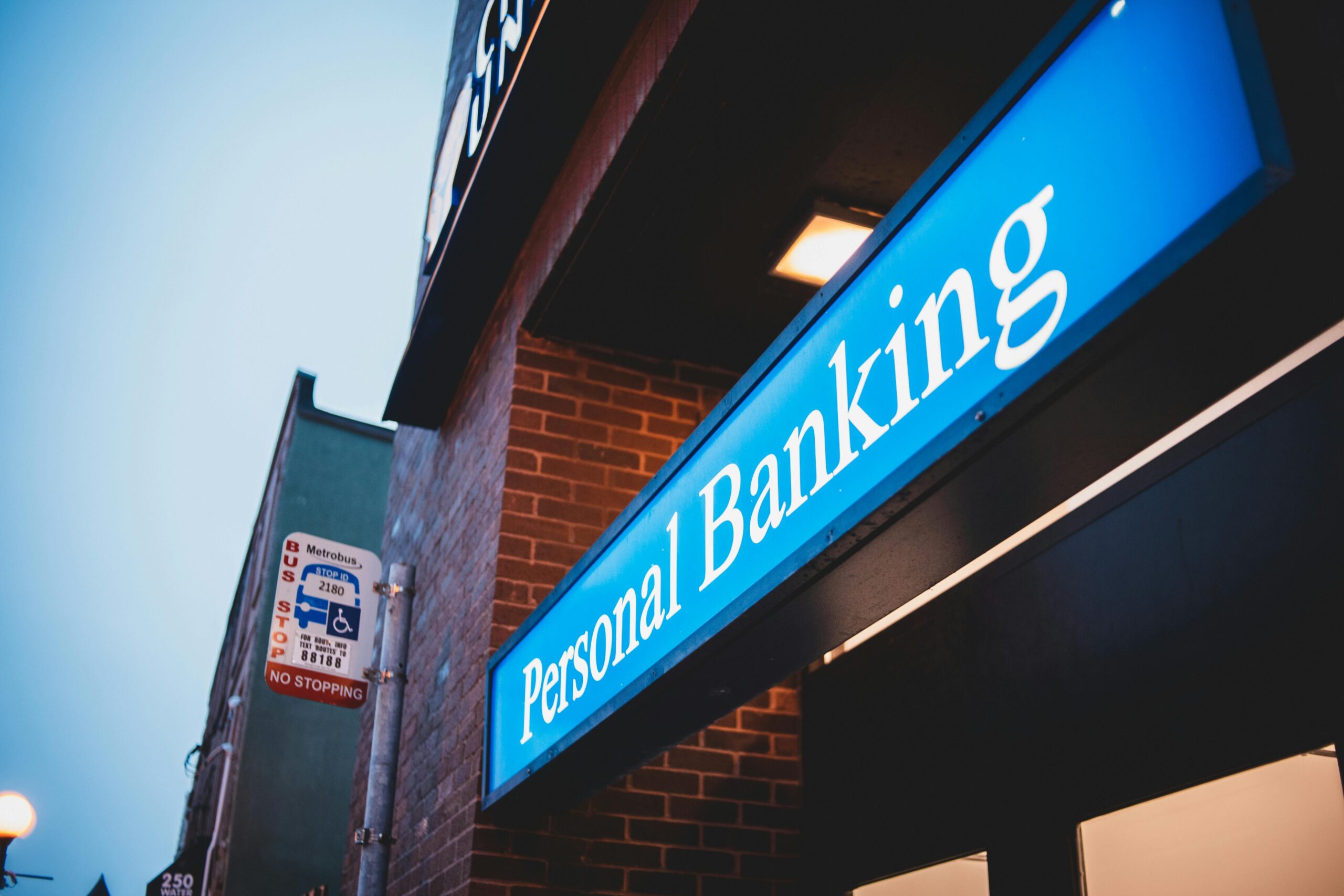
how to get a personal loan
How to Get a Personal Loan From a Bank
When I first tried to understand how to get a personal loan from a bank, I honestly thought it was just about walking in, asking for money, and getting approved. But once I went deeper, I realized it is a structured process that depends heavily on how financially prepared I am. If you are like me, you may be thinking the same thing: How do I actually get approved for a bank personal loan without stress?
A bank personal loan is one of the most traditional ways to borrow money. It usually comes with fixed monthly payments, fixed interest rates, and a clear repayment schedule. You can use it for almost anything—emergencies, debt consolidation, home repairs, education, or personal needs.
In this article, I’ll walk you through exactly how I approach getting a personal loan from a bank, what banks look for, how I improve my chances, and what mistakes I avoid. You should be able to use this as a practical guide before applying.
TABLE OF CONTENTS
1. What a Personal Loan From a Bank Really Means
2. Requirements Banks Expect Before Giving Me a Loan
3. Step-by-Step Process I Use to Get a Bank Loan
4. How I Increase My Chances of Approval
5. Risks, Costs, and Mistakes I Must Avoid
6. FAQs and Answers
1. What a Personal Loan From a Bank Really Means
When I think about a personal loan from a bank, I see it as a formal agreement between me and a financial institution where I borrow money and repay it over time with interest. If you are new to this, you should understand that banks are very structured and careful with lending.
Unlike borrowing from friends or informal sources, a bank loan is legally binding. That means I must repay according to the agreed schedule or face penalties. You should also know that banks do not lend based on need—they lend based on trust and risk.
A personal loan from a bank is usually unsecured, meaning I don’t need to provide collateral like a house or car. However, some banks may still offer secured loans for lower interest rates.
When I apply for a bank loan, I receive a lump sum upfront. For example, I might borrow $5,000, $10,000, or $25,000 depending on my approval. Then I repay monthly over a fixed term, usually between 1 and 7 years.
Banks calculate interest based on risk. If I have strong credit and stable income, I get lower interest rates. If my financial profile is weak, I may still get approved, but I will likely pay more.
You should also understand that banks use strict evaluation systems. They check my credit score, income, employment history, and debt levels before making a decision.
One important thing I learned is that banks prefer predictability. If I show consistent income and responsible financial behavior, I become a more attractive borrower. You should aim for the same.
So in simple terms, a bank personal loan is not just money—it is a trust-based financial agreement where I prove I can repay, and you are judged based on financial discipline.
2. Requirements Banks Expect Before Giving Me a Loan
When I apply for a personal loan from a bank, I quickly realize there are certain requirements I must meet. If you are planning to apply, you should prepare for the same checklist.
Credit Score
The first thing banks check is my credit score. This number tells them how I have handled debt in the past. A higher score means lower risk, which usually means better loan terms.
Income Proof
Banks want to see that I earn enough money to repay the loan comfortably. I may need to provide pay slips, bank statements, or tax returns. If you are self-employed, you may need additional documents.
Employment Stability
If I have a stable job history, banks feel more confident lending to me. Frequent job changes may raise concerns about income consistency.
Debt-to-Income Ratio
This shows how much of my income already goes to debt payments. If too much of my income is already committed, approval becomes harder.
Identification and Legal Documents
Banks require valid identification such as:
- Government-issued ID
- Proof of address
- Social security number or equivalent
Bank Account History
If I already bank with them, it can help. They can see my transaction history and spending habits.
Minimum Age Requirement
I must be at least 18 years old (or older depending on the bank’s policy).
If I meet these requirements, my chances improve significantly. If I don’t, I may need to build my financial profile first.
You should never assume approval is automatic. Banks are strict because they want repayment certainty.
3. Step-by-Step Process I Use to Get a Bank Loan
When I apply for a personal loan, I follow a structured process. If you follow it carefully, you can avoid mistakes and delays.
Step 1: I Check My Credit Score
Before anything else, I check my credit score so I know what to expect. If your score is low, you may want to improve it first.
Step 2: I Compare Banks
I don’t go to just one bank. I compare different banks to find better interest rates and terms.
Step 3: I Prequalify (If Available)
Some banks allow prequalification. This helps me see potential offers without affecting my credit score.
Step 4: I Gather Documents
I prepare everything in advance:
- ID
- Income proof
- Employment details
- Bank statements
- Credit information
Step 5: I Submit Application
I complete the application either online or in person. You can do the same depending on the bank.
Step 6: I Wait for Approval
The bank reviews my application. This can take from a few hours to several days.
Step 7: I Review the Loan Offer
If approved, I carefully check:
- Interest rate (APR)
- Monthly payment
- Total repayment amount
- Fees
Step 8: I Accept and Receive Funds
If everything looks good, I accept the offer and the funds are deposited into my account.
This process may look simple, but each step matters. If I rush, I may make costly mistakes.
4. How I Increase My Chances of Approval
When I want a bank loan, I don’t just apply randomly. I prepare myself to look like a low-risk borrower. You should do the same.
Improve Credit Score
Even small improvements can reduce interest rates and increase approval chances. I focus on paying bills on time and reducing credit card balances.
Reduce Debt
If I already owe too much, I try to reduce my debt before applying. This improves my debt-to-income ratio.
Maintain Stable Income
Banks like consistency. If I have steady income for several months or years, I become more attractive to lenders.
Avoid Multiple Applications
If I apply to too many banks at once, it can hurt my credit score. I apply strategically instead.
Build Relationship With the Bank
If I already bank with them, I may have better chances. You should consider using one bank consistently.
Start With Smaller Loans
If I am new to borrowing, I may start small and build trust over time.
Fix Errors in Credit Report
Sometimes mistakes in credit reports reduce approval chances. I always check and correct errors.
If I follow these steps, my approval chances improve significantly. You can apply the same strategy to your own situation.
5. Risks, Costs, and Mistakes I Must Avoid
Even though bank loans are safe compared to many alternatives, I still need to be careful. You should also stay alert.
Interest Costs
If I choose a high interest rate or long repayment term, I may pay much more over time.
Hidden Fees
Some banks include origination or late fees. I always read the fine print carefully.
Borrowing More Than Needed
If I borrow too much, I increase my debt burden unnecessarily. I only borrow what I truly need.
Missing Payments
Late payments affect my credit score and increase costs. You should always plan repayment properly.
Not Comparing Offers
If I accept the first offer, I may miss better deals elsewhere.
Emotional Borrowing
If I borrow based on urgency or emotion, I may make poor decisions.
My rule is simple: I never borrow unless I fully understand repayment.
Final Thoughts
Getting a personal loan from a bank is not difficult if I prepare properly. It is all about showing financial responsibility, stable income, and good credit behavior. If you understand the process, you can approach banks with confidence instead of confusion.
A personal loan is not just money—it is a financial commitment. If I plan carefully, it can help me achieve goals. If I rush, it can create stress.
You should always borrow with clarity, not pressure.
FAQs and Answers
1. What credit score do I need for a bank personal loan?
Most banks prefer 600+, but higher scores get better rates.
2. Can I get a loan from a bank with no credit?
It is possible but harder. You may need income proof or a co-signer.
3. How fast can I get a bank loan?
It can take from a few hours to a few days depending on the bank.
4. Do banks require collateral?
Usually no for personal loans, unless it is a secured loan.
5. Can I pay off my loan early?
Yes, but check if the bank charges prepayment fees.
6. What happens if I miss payments?
Late fees apply and your credit score may drop.
7. Should I compare banks before applying?
Yes, I always compare at least 2–3 banks before deciding.

personal loans
Personal Loans
When I think about personal finance in today’s world, one of the most common tools I come across is personal loans. If you are like me, you probably need flexibility at some point in life—whether it is for emergencies, debt consolidation, school fees, medical bills, or even business ideas. A personal loan can feel like a quick solution, but it is important that I understand exactly how it works before I jump in. You should also take the time to understand it properly so you don’t end up making costly mistakes.
A personal loan is simply money I borrow from a lender (bank, credit union, or online company) and agree to pay back over time with interest. It sounds simple, but there are layers to it that affect how much I end up paying. You may be surprised that two people can borrow the same amount and end up repaying very different totals depending on credit score, income, and lender type.
In this article, I will break everything down in a clear, human way so that you and I can understand personal loans deeply, not just on the surface. I will explain how they work, how I qualify, how I apply, what mistakes I avoid, and how I use them responsibly.
TABLE OF CONTENTS
1. What Personal Loans Really Mean and How They Work
2. How I Qualify for a Personal Loan and What Lenders Check
3. Types of Personal Loans I Can Access and When I Use Them
4. How I Apply for a Personal Loan Step by Step
5. Costs, Risks, and Smart Ways I Manage Personal Loans
6. FAQs and Answers
1. What Personal Loans Really Mean and How They Work
When I first started learning about personal loans, I thought it was just “borrow money and pay it back later.” But the truth is more structured than that. A personal loan is a formal financial agreement between me and a lender where I receive a lump sum of money and repay it in fixed monthly installments over a set period.
If you are new to this, you should understand that personal loans are usually unsecured, meaning I don’t need to put down collateral like a car or house. That makes them accessible, but it also means lenders take more risk, which is why interest rates can sometimes be higher.
When I borrow money, I agree on three important things:
- Loan amount (how much I receive upfront)
- Interest rate (how much extra I pay)
- Loan term (how long I repay it, usually 1–7 years)
For example, I might borrow $10,000 and agree to repay it monthly over 3 years. You might borrow the same amount but choose a 5-year plan, which lowers your monthly payment but increases total interest.
Personal loans are flexible, and that is why I like them. I can use them for almost anything—emergencies, debt consolidation, travel, education, or personal needs. But that flexibility also requires discipline.
One thing I learned is that lenders are not just giving me money—they are selling risk. The higher the risk they think I am, the higher the interest rate I get. You should always remember that your financial behavior directly affects the cost of borrowing.
In simple terms, a personal loan is a structured way of borrowing money where I trade future income for present cash, and you must manage that trade wisely.
2. How I Qualify for a Personal Loan and What Lenders Check
When I apply for a personal loan, I quickly realize that approval is not random. Lenders follow strict criteria to decide whether I am a safe borrower. If you are planning to apply, you go through the same evaluation.
The first thing lenders check is my credit score. This number shows how I have handled debt in the past. If I have a high score, I get better interest rates. If my score is low or I have no credit, I may still qualify but with higher costs.
Next is my income level. Lenders want to see that I earn enough money to repay the loan comfortably. I usually need to provide pay slips, bank statements, or tax records. If you are self-employed, you may need additional documentation.
Then comes debt-to-income ratio (DTI). This shows how much of my income already goes toward debts. If too much of my income is already committed, lenders may see me as risky.
Employment stability is also important. If I switch jobs frequently, lenders may worry about consistency. You should aim for stable income history before applying.
Lenders also check my banking behavior. If I frequently overdraft or have irregular cash flow, it may affect approval chances.
If I have no credit history, I may still qualify through:
- Secured personal loans
- Co-signed loans
- Credit-builder loans
- Income-based evaluation loans
Credit Union National Association affiliated lenders are often more flexible with first-time borrowers like me and may consider alternative financial behavior instead of only credit scores.
In short, lenders are not just looking at who I am—they are analyzing how I manage money. You should understand that every financial decision you make today affects your borrowing power tomorrow.
3. Types of Personal Loans I Can Access and When I Use Them
When I started exploring personal loans, I realized there are different types depending on my needs and financial situation. You should also know which type fits your situation before applying.
Unsecured Personal Loans
This is the most common type. I do not need collateral. I can use it for almost anything—emergency expenses, travel, or debt consolidation.
Secured Personal Loans
If I want lower interest rates, I may use collateral like savings or assets. You may choose this if you want better terms but are willing to risk collateral.
Debt Consolidation Loans
If I have multiple debts, I can combine them into one monthly payment. I use this to simplify repayment and sometimes reduce interest.
Credit-Builder Loans
If I have no credit history, this helps me build credit while saving money at the same time.
Co-Signed Loans
If someone with strong credit agrees to co-sign, my chances of approval improve. But I must repay responsibly because it affects both of us.
Online Personal Loans
These are fast and digital. I can apply online and get approval quickly. You may find this convenient for urgent needs.
Each type serves a different purpose. I choose based on my financial situation, not just availability.
4. How I Apply for a Personal Loan Step by Step
Applying for a personal loan is easier than most people think, but I always follow a careful process to avoid mistakes. You should do the same.
Step 1: Check My Credit Score
Before applying, I check my credit so I know what to expect.
Step 2: Compare Lenders
I compare banks, online lenders, and credit unions before choosing.
Step 3: Prequalification
Many lenders allow me to check offers without affecting my credit score.
Step 4: Gather Documents
I prepare:
- ID
- Income proof
- Employment details
- Bank statements
Step 5: Submit Application
I complete the application online or in person.
Step 6: Wait for Approval
Approval may take minutes or a few days.
Step 7: Review Loan Offer
I carefully check:
- Interest rate
- Monthly payment
- Total repayment
- Fees
Step 8: Accept and Receive Funds
Once I agree, money is deposited into my account.
You should never rush this process. The review stage is the most important because it determines the true cost of borrowing.
5. Costs, Risks, and Smart Ways I Manage Personal Loans
Whenever I borrow money, I remind myself that responsibility is key. You should also treat loans carefully.
Costs
- Interest (APR)
- Origination fees
- Late payment fees
- Prepayment penalties (sometimes)
Risks
- High interest debt
- Missed payments damaging credit
- Overborrowing
- Financial stress
My Smart Strategies
- I only borrow what I need
- I compare multiple lenders
- I focus on total repayment, not just monthly payments
- I avoid emotional borrowing
- I read all loan terms carefully
If I cannot comfortably repay a loan, I do not take it. You should follow the same principle.
Final Thoughts
Personal loans are powerful financial tools when used wisely. They help me handle emergencies, manage debt, and achieve goals. But they also require discipline and understanding.
If I plan carefully, compare lenders, and borrow responsibly, personal loans can improve my financial life. You can do the same by making informed decisions instead of rushed ones.
FAQs and Answers
1. What is a personal loan?
A personal loan is money I borrow and repay in fixed monthly installments with interest.
2. Can I get a personal loan with bad credit?
Yes, but interest rates may be higher.
3. How fast can I get a personal loan?
Some lenders approve within minutes and fund within 1–3 days.
4. Do I need collateral?
Not usually, since most personal loans are unsecured.
5. What credit score do I need?
Many lenders prefer 600+, but some accept lower scores.
6. Can I pay off my loan early?
Yes, but I should check for prepayment fees.
7. What happens if I miss a payment?
Late fees apply and my credit score may be affected.

LOAN IN USA ONLINE
Loan in USA Online
When I first started looking for loans in the USA, I quickly noticed something interesting: I don’t always need to walk into a bank anymore. If you are like me, you probably prefer doing things faster and more conveniently. That is exactly where online loans in the USA come in.
An online loan simply means I can apply for a loan through a website or mobile app without visiting a physical bank branch. You can do the same from your phone or laptop, which makes the whole process faster and more flexible. But even though it looks simple on the surface, there is a lot happening behind the scenes that I had to understand before borrowing responsibly.
In this article, I will walk you through how online loans work in the USA, how I apply, where I can get them, what lenders look at, and how you can avoid common mistakes. I will also include FAQs at the end so everything becomes clear for you.
TABLE OF CONTENTS
1. What Online Loans in the USA Really Mean
2. How I Qualify for Online Loans in the USA
3. Major Types of Online Loans I Can Get in the USA
4. Step-by-Step Process I Use to Get an Online Loan
5. Risks, Costs, and Smart Decisions I Must Make
6. FAQs and Answers
1. What Online Loans in the USA Really Mean
When I first heard about online loans in the USA, I thought it was just a faster way to get money. But as I learned more, I realized it is a full financial system powered by digital lending platforms.
An online loan is money I borrow from a lender through the internet. Instead of visiting a bank, I apply through a website or app, submit my details, and get a decision electronically. If approved, the money is usually sent directly to my bank account.
If you are new to this, you should understand that online lenders are not all the same. Some are direct lenders who give me the money themselves. Others are loan marketplaces that connect me to multiple lenders so I can compare offers.
The biggest advantage I noticed is speed. I can apply in minutes, and sometimes receive approval almost instantly. You may find this very helpful if you need emergency cash or quick financing.
Online loans in the USA are usually personal loans, meaning I can use them for almost anything:
- Emergency expenses
- Debt consolidation
- Medical bills
- Rent or utilities
- Travel or personal needs
However, even though the process is digital, lenders still evaluate risk seriously. I still need to provide information like:
- Credit score
- Income
- Employment status
- Bank account details
If I have strong credit, I get better interest rates. If my credit is weak or limited, I may still get approved but at higher costs.
One important thing I learned is that technology plays a big role. Some lenders use artificial intelligence to analyze my financial behavior. You may not realize it, but your bank activity can affect approval decisions.
In simple terms, online loans in the USA make borrowing faster and easier for me, but they still require responsibility and financial discipline from you.
2. How I Qualify for Online Loans in the USA
When I apply for an online loan in the USA, I realize approval is based on data, not emotion. If you are applying, you go through the same evaluation system.
The first thing lenders check is my credit score. This tells them how I have handled borrowing in the past. If I have a strong score, I get lower interest rates. If my score is low or I have no credit, I may still qualify but with higher costs.
Next is my income level. I must show that I earn enough money to repay the loan. This usually requires bank statements, pay slips, or tax documents. If you are self-employed, you may need additional proof of income stability.
Then comes debt-to-income ratio (DTI). This shows how much of my income already goes to debts. If too much of my income is already committed, lenders may see me as a risk.
Employment stability also matters. If I frequently change jobs, lenders may question my financial consistency. You should aim for steady income history before applying.
Lenders also look at my banking behavior. If I frequently overdraft my account or have irregular deposits, it may reduce my chances.
If I have no credit history, I may still qualify through alternative methods such as:
- Secured loans
- Credit-builder loans
- Co-signed loans
- Income-based lending
Credit Union National Association affiliated credit unions are often more flexible with first-time borrowers like me and may consider broader financial behavior beyond just credit scores.
The key lesson I learned is simple: lenders are not judging who I am personally—they are analyzing how I manage money. You should understand that every financial decision you make today affects your ability to borrow tomorrow.
3. Major Types of Online Loans I Can Get in the USA
When I started exploring online loans, I realized there are different types depending on my financial situation and needs. You should know which type fits you before applying.
Unsecured Personal Loans
This is the most common type. I don’t need collateral. I can use the money for almost anything, and approval is based on credit and income.
Secured Loans
If I want better interest rates, I can use collateral like savings or assets. This reduces lender risk and improves my approval chances.
Credit-Builder Loans
If I have no credit history, this type helps me build credit while repaying small monthly amounts. It is ideal if you are just starting your financial journey.
Debt Consolidation Loans
If I have multiple debts, I can combine them into one loan with a single monthly payment. I use this to simplify repayment and sometimes reduce interest.
Fast Online Payday Alternatives
Some online lenders offer short-term loans. I use caution here because they often come with high interest rates.
AI-Based Lending Platforms
Some companies use advanced algorithms to assess borrowers more flexibly. Upstart is an example of a lender that considers education and income patterns alongside credit history.
Each loan type serves a different purpose. I choose based on my needs, not just availability. You should always match the loan type to your financial goal.
4. Step-by-Step Process I Use to Get an Online Loan (≈400 words)
When I apply for an online loan, I follow a simple but careful process. If you follow the same steps, you reduce mistakes and improve approval chances.
Step 1: Check My Credit Score
Before anything else, I check my credit profile so I understand what to expect.
Step 2: Compare Lenders
I don’t apply to just one lender. I compare multiple online platforms to find better rates.
Step 3: Prequalification
Most online lenders allow prequalification without affecting credit score. I use this to see offers.
Step 4: Fill Application
I submit:
- Personal details
- Income information
- Employment status
- Bank account details
Step 5: Loan Review
The lender evaluates my financial profile using digital systems.
Step 6: Receive Offer
If approved, I get a loan offer with:
- Interest rate
- Monthly payment
- Total repayment
- Fees
Step 7: Accept and Receive Funds
If I agree, money is sent directly to my bank account.
You should always review the offer carefully before accepting. I never rush this stage because it determines the real cost of borrowing.
5. Risks, Costs, and Smart Decisions I Must Make (≈400 words)
Even though online loans are convenient, I always remind myself that borrowing is serious. You should treat it the same way.
Costs
- Interest rates (APR)
- Origination fees
- Late payment fees
- Prepayment penalties
Risks
- High interest debt
- Missed payments affecting credit
- Overborrowing
- Scam lenders
Smart Decisions I Make
- I only borrow what I truly need
- I compare multiple lenders
- I read all terms carefully
- I avoid emotional borrowing
- I focus on total repayment, not just monthly payment
If I do not understand the loan terms, I do not proceed. You should always protect yourself by reading everything carefully.
Final Thoughts
Online loans in the USA give me fast and convenient access to money, but they also require responsibility. If I understand how they work, compare lenders properly, and borrow wisely, they can be very helpful.
You should always remember that borrowing is not just about getting money—it is about managing repayment in a way that does not hurt your financial future.
FAQs and Answers
1. What is an online loan in the USA?
It is a loan I apply for through the internet without visiting a bank.
2. Can I get an online loan with bad credit?
Yes, but interest rates are usually higher.
3. How fast can I get money?
Some lenders fund within 24 hours or 1–3 business days.
4. Are online loans safe?
Yes, if I use licensed and reputable lenders.
5. Do online loans require collateral?
Most personal online loans are unsecured.
6. What credit score do I need?
Many lenders prefer 600+, but some accept lower.
7. Should I compare lenders before applying?
Yes, I always compare at least 3–5 lenders before choosing.

LOAN IN USA FOR INTERNATIONAL STUDENT
Loan in USA for International Students
When I first thought about studying in the United States, one of my biggest concerns was money. If you are like me, you probably quickly realize that tuition, accommodation, books, and daily living expenses can be very expensive. That is when the question comes up: Can I get a loan in the USA as an international student?
The short answer is yes—but it is not always simple. As an international student, I don’t automatically qualify for most traditional loans in the USA because I usually don’t have a U.S. credit history or permanent residency. However, there are still real options available if I understand how the system works. You should also know that with the right strategy, you can still finance your education successfully.
In this article, I will walk you through everything I learned about student loans in the USA for international students—how they work, who qualifies, where I can apply, how I improve my chances, and what mistakes I should avoid.
TABLE OF CONTENTS
1. What Student Loans in the USA Mean for International Students
2. Types of Loans Available for International Students
3. Requirements I Must Meet to Get a Student Loan
4. Step-by-Step Process I Use to Apply for Student Loans
5. Risks, Challenges, and Smart Financial Strategies
6. FAQs and Answers
1. What Student Loans in the USA Mean for International Students
When I first started researching student loans in the USA, I thought I could simply apply like everyone else. But I quickly learned that international students are treated differently in the financial system. If you are like me, you may also discover that most federal student loans are only available to U.S. citizens or eligible permanent residents.
That means as an international student, I usually cannot access government-backed student loans directly. Instead, I must rely on private lenders or special international student loan programs.
A student loan is money I borrow specifically to pay for education-related expenses. This includes tuition, housing, books, insurance, and sometimes living expenses. You should understand that this money must always be repaid with interest after a certain period.
Unlike personal loans, student loans are designed specifically for education. That means repayment terms are often more flexible, especially after graduation.
One thing I realized is that lenders see international students as higher-risk borrowers because I may not have:
- U.S. credit history
- Permanent residency
- Long-term income stability in the U.S.
Because of this, lenders often require additional conditions like co-signers or proof of future income potential.
Even though it sounds challenging, it is not impossible. Many international students successfully finance their education every year through private lenders, university partnerships, or scholarship-loan combinations.
If you are planning to study in the U.S., you should start thinking early about how you will finance your education. I learned that waiting until the last minute makes everything harder.
In simple terms, student loans for international students are structured financial tools that help me pay for education in the U.S., but they come with stricter requirements compared to local students.
2. Types of Loans Available for International Students
When I started exploring my options, I realized that not all student loans are the same. As an international student, I have fewer choices than U.S. citizens, but there are still important options available.
Private Student Loans
This is the most common option for me. Private lenders offer student loans specifically designed for international students. These loans usually require a co-signer who is a U.S. citizen or permanent resident.
No-Co-Signer Loans
Some lenders offer loans without a co-signer, but they are more limited and often require strong academic performance or future earning potential.
University-Based Loans
Some universities partner with lenders to help international students access financing. If you are enrolled in a U.S. school, you should always check if your institution offers this option.
Career-Focused Loans
Some lenders focus on students in high-demand fields like engineering, medicine, or technology. These loans may be easier to qualify for based on future income potential.
Alternative Education Financing Platforms
There are also modern lenders that evaluate students differently. MPower Financing is one example of a platform that offers loans to international students without requiring a co-signer in many cases.
Another option includes lenders that focus on global students and future earning potential rather than just credit history.
Each loan type has different requirements, interest rates, and repayment conditions. If I choose the wrong type, I may end up paying more than necessary.
You should always compare carefully before making a decision.
3. Requirements I Must Meet to Get a Student Loan
When I apply for a student loan in the USA as an international student, I quickly realize that lenders have strict requirements. You should also be prepared for this process.
Enrollment in a U.S. Institution
First, I must be accepted or enrolled in a recognized U.S. college or university. Without this, I cannot apply for most student loans.
Valid Student Visa
I usually need an F-1 visa or similar legal student status to qualify.
Co-Signer (In Many Cases)
Most private lenders require a co-signer who is a U.S. citizen or permanent resident with strong credit history. This reduces risk for the lender.
Academic Performance
Some lenders may consider my GPA or academic progress as part of their evaluation.
Future Income Potential
Lenders often evaluate what I am studying. If you are in a high-demand field, your chances improve.
Identity and Documentation
I must provide:
- Passport
- Visa documents
- School enrollment proof
- Financial statements (if required)
Credit History (If Available)
If I already have some U.S. credit history, even a small one, it can help improve approval chances.
The key thing I learned is that lenders are not just lending based on where I come from—they are evaluating my ability to repay in the future.
If I don’t meet requirements now, I can still improve my chances by building credit, choosing the right lender, or adding a co-signer.
4. Step-by-Step Process I Use to Apply for Student Loans
When I apply for a student loan in the USA, I follow a clear process to avoid mistakes. You should also follow a structured approach.
Step 1: Calculate Total Cost
First, I calculate how much I need for tuition, accommodation, and living expenses.
Step 2: Research Lenders
I compare different lenders to understand interest rates and conditions.
Step 3: Check Eligibility
I ensure I meet requirements such as enrollment status and visa type.
Step 4: Apply Online
Most applications are done online. I submit personal, academic, and financial details.
Step 5: Add Co-Signer (If Required)
If needed, I include a co-signer to strengthen my application.
Step 6: Loan Approval Review
The lender reviews my application and may request additional documents.
Step 7: Accept Loan Terms
I carefully review:
- Interest rate
- Repayment schedule
- Total repayment amount
Step 8: Receive Funds
Funds are usually sent directly to my university or my account depending on the lender.
You should never rush this process. I always take time to read all terms before accepting anything.
5. Risks, Challenges, and Smart Financial Strategies
Even though student loans help me study in the USA, I always remember they come with responsibility. You should also be aware of the risks.
High Interest Rates
International student loans often have higher interest rates than federal loans.
Co-Signer Risk
If I use a co-signer, they become responsible if I fail to repay. That is a serious commitment.
Currency Exchange Pressure
If I return to my home country after graduation, exchange rates may affect repayment.
Debt Burden After Graduation
I must plan repayment early to avoid financial stress after school.
Limited Loan Options
As an international student, I have fewer loan choices compared to U.S. citizens.
Smart Strategies I Use
- I borrow only what I need
- I choose lenders carefully
- I understand repayment terms early
- I consider scholarships and grants first
- I plan future income before borrowing
If I manage loans responsibly, they become a tool for opportunity, not stress. You should always think long-term before borrowing.
Final Thoughts
Getting a loan in the USA as an international student is possible, but it requires preparation, planning, and the right lender. If I understand the system properly, I can successfully finance my education. You can do the same by researching early and making informed decisions.
Education is an investment, but borrowing should always be strategic, not emotional.
FAQs and Answers
1. Can international students get loans in the USA?
Yes, but usually through private lenders or specialized programs.
2. Do I need a co-signer?
Most lenders require one, but some options exist without a co-signer.
3. Can I get federal student loans?
No, federal loans are mostly for U.S. citizens and permanent residents.
4. What is the easiest loan for international students?
Private student loans or platforms like MPower Financing are common options.
5. How much can I borrow?
It depends on tuition, school cost, and lender approval.
6. Can I repay after graduation?
Yes, most student loans offer a grace period after graduation.
7. What happens if I don’t repay?
It can affect credit history and your co-signer may become responsible.

LOAN IN USA FOR BUSINESS
Loan in USA for Business
When I think about starting or growing a business in the United States, one of the first challenges that comes to my mind is funding. If you are like me, you quickly realize that even a great business idea needs capital to survive and grow. That is where business loans in the USA come in.
A business loan is money I borrow specifically to start, operate, or expand a business. You can also use it to buy equipment, hire staff, manage cash flow, or scale operations. But unlike personal loans, business loans come with more structure, more documentation, and stricter evaluation.
In this article, I will break down how business loans in the USA work, what I need to qualify, where I can apply, how I improve my chances, and what mistakes I must avoid. You should be able to use this as a real guide if you are planning to fund a business in the U.S.
TABLE OF CONTENTS
1. What Business Loans in the USA Really Mean
2. Types of Business Loans I Can Get in the USA
3. Requirements I Must Meet for a Business Loan
4. Step-by-Step Process I Use to Get a Business Loan
5. Risks, Costs, and Smart Strategies I Follow
6. FAQs and Answers
1. What Business Loans in the USA Really Mean
When I first explored business loans in the USA, I thought it was just money given to entrepreneurs. But I quickly learned it is much more structured than that. A business loan is a formal agreement where I borrow money from a lender and agree to repay it over time with interest.
If you are like me, you may assume that having a business idea is enough. But in the U.S., lenders care more about financial proof than ideas alone. They want to see whether my business can generate income and repay the loan.
Business loans are different from personal loans because they are tied to business performance. That means the lender evaluates not only me personally but also my business structure, cash flow, and financial projections.
I can use a business loan for many purposes:
- Starting a new business
- Expanding operations
- Buying equipment or inventory
- Hiring employees
- Managing cash flow gaps
- Marketing and advertising
One important thing I learned is that lenders are very focused on risk. If my business is new, I may be seen as high risk. If my business is stable and profitable, I get better loan terms.
You should also understand that business loans can be secured or unsecured. Secured loans require collateral like assets, while unsecured loans depend more on creditworthiness.
Another key point is that repayment terms vary widely. Some loans are short-term (months), while others can last many years. Interest rates also depend on risk level, credit score, and business strength.
In simple terms, a business loan in the USA is not just funding—it is a financial partnership where I prove my business is capable of repayment, and you must show stability and planning.
2. Types of Business Loans I Can Get in the USA
When I started researching funding options, I realized there are many types of business loans in the USA. Each one serves a different purpose, and you should choose based on your business needs.
Term Loans
This is the most common type. I borrow a lump sum and repay it over a fixed period with interest. It is useful for expansion or large investments.
SBA Loans
One of the most popular government-supported options is SBA loans. These are partially guaranteed by the government, making them easier to access for small businesses. Many entrepreneurs rely on them for growth funding.
Business Lines of Credit
This works like a flexible loan. I only borrow what I need and pay interest only on the amount used. You may find this useful for managing cash flow.
Equipment Financing
If I need machinery, vehicles, or tools, I can borrow specifically for equipment purchase.
Invoice Financing
If my business issues invoices but clients pay late, I can borrow against those unpaid invoices.
Microloans
These are small loans often used by startups or small businesses needing limited capital.
One important lender program I learned about is the U.S. Small Business Administration system through U.S. Small Business Administration which helps entrepreneurs access funding with better conditions than traditional banks.
Each loan type has different requirements and benefits. If I choose the wrong one, I may face repayment pressure or limited flexibility. You should always match the loan type to your business stage.
3. Requirements I Must Meet for a Business Loan
When I apply for a business loan in the USA, I quickly realize that lenders want evidence—not just ideas. If you are applying, you must prepare carefully.
Business Registration
I must have a legally registered business such as an LLC, corporation, or sole proprietorship.
Credit Score
Both my personal credit and business credit matter. A strong credit profile improves approval chances.
Business Plan
I need a clear plan showing how my business will make money. This includes projections, strategy, and market analysis.
Financial Statements
Lenders often request:
- Bank statements
- Profit and loss reports
- Cash flow statements
- Tax returns
Time in Business
New businesses are riskier. If I have been operating longer, my chances improve.
Collateral (Sometimes)
For secured loans, I may need to provide assets.
Revenue History
If my business already earns money, lenders feel more confident.
If I meet these requirements, approval becomes easier. If not, I may need to start with smaller loans or alternative financing.
You should understand that lenders are not investing in dreams—they are investing in proof.
4. Step-by-Step Process I Use to Get a Business Loan
When I apply for a business loan, I follow a structured process. If you follow it properly, your chances improve significantly.
Step 1: Define My Funding Need
I clearly identify how much I need and why.
Step 2: Check Eligibility
I review lender requirements before applying.
Step 3: Improve Credit Profile
If needed, I work on improving both personal and business credit.
Step 4: Prepare Documents
I gather financial statements, business registration, and tax records.
Step 5: Compare Lenders
I explore banks, online lenders, and government-backed programs.
Step 6: Submit Application
I complete the application with accurate information.
Step 7: Loan Review
The lender evaluates my business risk and financial health.
Step 8: Receive Offer
If approved, I receive loan terms including interest rate and repayment schedule.
Step 9: Accept and Fund
Once I agree, funds are deposited into my business account.
You should never rush this process. I always take time to compare offers before accepting anything.
5. Risks, Costs, and Smart Strategies I Follow
Even though business loans help growth, I always remember they come with responsibility. You should also approach them carefully.
Risks
- High interest rates for new businesses
- Debt pressure on cash flow
- Collateral loss in secured loans
- Strict repayment schedules
Costs
- Interest (APR)
- Origination fees
- Late payment penalties
- Service charges
Smart Strategies I Use
- I borrow only what my business truly needs
- I prioritize low-interest lenders
- I maintain strong financial records
- I separate business and personal finances
- I plan repayment before borrowing
I also explore government-supported programs because they often offer better conditions. For example, SBA-backed funding through U.S. Small Business Administration is often more affordable than private loans.
If I manage borrowing correctly, it helps my business grow. If I mismanage it, it can create financial stress. You should always plan carefully before taking debt.
Final Thoughts
A business loan in the USA is a powerful tool when used wisely. It allows me to grow my business, scale operations, and take advantage of opportunities. But it also requires discipline, planning, and financial responsibility.
If I prepare properly, understand requirements, and choose the right lender, I increase my chances of success. You can do the same by approaching business loans strategically, not emotionally.
FAQs and Answers
1. Can I get a business loan with no credit?
It is difficult, but possible with alternative lenders or secured loans.
2. What credit score do I need?
Most lenders prefer 600+, but SBA loans often require higher scores.
3. Can startups get business loans?
Yes, but options are limited and may require a strong business plan or collateral.
4. What is the easiest business loan to get?
Microloans and online lenders are usually easier for beginners.
5. How much can I borrow?
It depends on revenue, credit, and lender type.
6. Do I need collateral?
Not always. Some loans are unsecured.
7. How fast can I get funding?
Some online lenders approve within days, while SBA loans may take weeks.
loan in usa for bad credit
Loan in USA for Bad Credit
When I first started learning about borrowing money in the United States, one thing became very clear to me quickly: credit score matters a lot. If I have bad credit, I immediately feel like my options are limited. If you are in the same situation, you probably also feel like banks will automatically reject you.
But here is the truth I learned—having bad credit does not mean I cannot get a loan in the USA. It just means I need to be more strategic, more careful, and more informed about where and how I apply.
In this article, I will explain how loans work in the USA for people with bad credit, what options I can still access, how I improve my approval chances, and what risks I must avoid. You should be able to use this as a real guide if your credit is not strong right now.
TABLE OF CONTENTS
1. What “Bad Credit Loan” Really Means in the USA
2. Types of Loans I Can Get With Bad Credit
3. How I Qualify for a Loan With Bad Credit
4. Step-by-Step Process I Use to Get Approved
5. Risks, Costs, and Smart Ways I Borrow With Bad Credit
6. FAQs and Answers
1. What “Bad Credit Loan” Really Means in the USA
When I hear the term “bad credit loan,” I used to think it meant special loans only for people in financial trouble. But now I understand it more clearly. A bad credit loan in the USA simply refers to loans designed for people like me who have a low credit score or limited credit history.
If you are in this situation, you should understand that lenders are not trying to punish you. Instead, they are trying to manage risk. A low credit score tells lenders that I may have missed payments or struggled with debt in the past. Because of that, they see me as a higher-risk borrower.
But here is something important I learned—bad credit does not mean no credit options. It just means the terms may not be perfect. I may still qualify, but I might face:
- Higher interest rates
- Smaller loan amounts
- Shorter repayment periods
- More strict conditions
In the USA, credit scores usually range from 300 to 850. If my score is below 580, it is considered poor credit. Between 580 and 669 is fair credit. Above that, I start getting better loan offers.
If you are like me, you may feel discouraged when you hear this. But I learned that lenders still work with bad credit borrowers every day. They just adjust pricing based on risk.
Another thing I noticed is that some lenders specialize in helping people with bad credit. These lenders look at more than just my credit score. They may consider income, employment, and bank activity.
So in simple terms, a bad credit loan in the USA is not impossible—it is just a loan with higher risk pricing and stricter conditions. If I understand this, I can make better decisions instead of rushing into the wrong loan.
2. Types of Loans I Can Get With Bad Credit
When I started looking for loans with bad credit, I realized that I still have several options available. If you are in the same situation, you should know what is realistic and what is not.
Personal Loans for Bad Credit
These are the most common. I can apply through online lenders who specialize in low credit borrowers. Approval is possible, but interest rates are usually higher.
Secured Loans
If I have assets like savings or a car, I can use them as collateral. This reduces risk for the lender and improves my approval chances.
Credit Builder Loans
These are designed to help me rebuild credit while borrowing small amounts. I repay over time, and my credit improves if I pay on time.
Payday Alternative Loans
Some credit unions offer short-term loans with better terms than traditional payday loans. These can help in emergencies.
Co-Signed Loans
If someone with good credit agrees to co-sign for me, my chances improve significantly. But I must repay responsibly because it affects both of us.
Online Bad Credit Lenders
Some digital platforms focus specifically on low-credit borrowers. These lenders are more flexible but may charge higher rates.
Credit Union National Association affiliated credit unions are often a good place to start because they may offer more flexible loan options for people rebuilding credit.
The key lesson I learned is that bad credit does not remove options—it only changes the type of options available. You just need to choose carefully.
3. How I Qualify for a Loan With Bad Credit
When I apply for a loan with bad credit, I realize lenders look at more than just my credit score. If you are applying too, you should understand what really matters.
Income Stability
Even if my credit is low, I can still qualify if I have steady income. Lenders want to know I can repay.
Employment Status
If I have a stable job, it increases my chances. Frequent job changes may reduce approval chances.
Debt-to-Income Ratio
If too much of my income already goes to debt, lenders may see me as risky.
Bank Activity
Lenders sometimes review my bank account to see spending patterns and consistency.
Loan Purpose
Some lenders are more flexible depending on why I need the money.
Alternative Data
Some modern lenders also look at rent payments, utility bills, and other financial behaviors.
The important thing I learned is that bad credit is not the only factor. If I show stability in other areas, I can still qualify.
You should focus on strengthening your overall financial profile, not just your credit score alone.
4. Step-by-Step Process I Use to Get Approved
When I apply for a loan with bad credit, I follow a careful process to improve my chances. If you follow this, you may avoid rejection and unnecessary credit damage.
Step 1: Check My Credit Report
I first check my credit score so I know where I stand.
Step 2: Look for Bad Credit Lenders
I focus only on lenders who accept low credit borrowers.
Step 3: Prequalify First
I use prequalification tools to see offers without affecting my credit score.
Step 4: Compare Offers
I compare at least 3–5 lenders before choosing.
Step 5: Prepare Documents
I gather:
- ID
- Income proof
- Bank statements
- Employment details
Step 6: Submit Application
I apply carefully and ensure all information is correct.
Step 7: Review Loan Offer
I carefully check:
- APR
- Monthly payment
- Fees
- Total repayment
Step 8: Accept Carefully
If the offer is reasonable, I accept and receive funds.
You should never rush this process. Bad credit makes borrowing more expensive, so comparison is very important.
5. Risks, Costs, and Smart Ways I Borrow With Bad Credit
When I borrow with bad credit, I always remind myself that I need to be extra careful. You should also approach it with caution.
High Interest Rates
This is the biggest issue. Bad credit loans can be expensive if I am not careful.
Hidden Fees
Some lenders add origination or service fees that increase total cost.
Debt Cycle Risk
If I borrow without planning, I may fall into repeated borrowing.
Predatory Lenders
Some lenders target people with bad credit unfairly. I avoid anything that feels unclear or aggressive.
Credit Impact
If I miss payments, my credit score can drop even further.
Smart Strategies I Use
- I only borrow what I truly need
- I compare multiple lenders
- I read all terms carefully
- I avoid emotional borrowing
- I focus on rebuilding credit over time
The goal is not just to get a loan—it is to improve my financial situation over time. You should always think long-term.
Final Thoughts
Getting a loan in the USA with bad credit is possible, but it requires strategy and discipline. If I understand my options and choose carefully, I can still access funding and slowly rebuild my credit.
You should never feel like bad credit is the end of your financial journey. It is just a starting point that requires better decisions and patience.
FAQs and Answers
1. Can I get a loan in the USA with bad credit?
Yes, but interest rates are usually higher and options are more limited.
2. What credit score is considered bad?
Usually below 580 is considered poor credit.
3. What is the easiest loan to get with bad credit?
Secured loans and credit-builder loans are usually easier.
4. Can I get a loan without a credit check?
Some lenders offer no-credit-check loans, but they are often expensive.
5. Will bad credit loans improve my score?
Yes, if I make payments on time.
6. Can I get a co-signed loan?
Yes, if someone with good credit agrees to co-sign.
7. How can I improve approval chances?
I can improve income stability, reduce debt, and apply with the right lenders.
Loan company in usa
Loan Company in USA
When I first started looking for loans in the United States, I quickly realized something important: it is not just about getting money—it is about choosing the right loan company. If you are like me, you probably think all lenders are the same, but in reality, loan companies in the USA are very different in how they operate, what they offer, and how they treat borrowers.
A loan company in the USA can be a bank, credit union, online lender, or financial institution that provides loans to individuals or businesses. Each one has its own rules, interest rates, and approval process. If I choose the wrong one, I may end up paying more or struggling with repayment. You should also be very careful when choosing a lender because it directly affects your financial future.
In this article, I will explain how loan companies in the USA work, the types available, how I choose the right one, how I apply, and what risks I must avoid.
TABLE OF CONTENTS
1. What a Loan Company in the USA Really Means
2. Types of Loan Companies I Can Borrow From
3. How I Choose the Right Loan Company in the USA
4. How I Apply for Loans From US Loan Companies
5. Risks, Costs, and Smart Ways I Borrow Safely
6. FAQs and Answers
1. What a Loan Company in the USA Really Means
When I first heard the term “loan company in the USA,” I thought it simply meant banks. But I later learned it is much broader than that. A loan company is any financial institution that lends money to individuals or businesses with an agreement to repay it over time with interest.
If you are like me, you may think borrowing money is the same everywhere, but in the USA, loan companies are highly structured and regulated. They operate under strict financial laws to ensure fairness and transparency.
Loan companies in the USA include:
- Traditional banks
- Online lenders
- Credit unions
- Private finance companies
Each of these institutions offers different types of loans such as personal loans, business loans, auto loans, and student loans.
One important thing I learned is that loan companies make money through interest. That means when I borrow money, I don’t just repay what I took—I also pay extra as interest.
Another key point is that loan companies evaluate risk before lending. If I have strong credit and stable income, I get better loan terms. If I am high risk, I may still get a loan, but with higher interest rates.
You should also understand that loan companies do not lend emotionally. They use data—credit score, income, employment, and financial behavior—to make decisions.
Some loan companies are traditional and strict, while others are modern and flexible. Online lenders, for example, often use technology and artificial intelligence to approve loans faster.
In simple terms, a loan company in the USA is a financial institution that provides funding based on trust, risk evaluation, and repayment ability. If I understand how they work, I can make better borrowing decisions, and you can avoid costly mistakes.
2. Types of Loan Companies I Can Borrow From
When I started exploring borrowing options, I realized there are different types of loan companies in the USA. Each one serves a different purpose, and you should understand them before choosing.
Traditional Banks
These are large financial institutions like national and regional banks. I can visit branches or apply online. They usually offer lower interest rates but have stricter requirements.
Credit Unions
Credit unions are member-based financial institutions. They often provide better interest rates and more flexible lending criteria.
Credit Union National Association represents many of these institutions, and they are known for being more community-focused compared to banks.
Online Loan Companies
These are digital lenders that allow me to apply through websites or apps. They are fast, convenient, and often easier to qualify for.
Private Finance Companies
These companies specialize in lending to individuals or businesses that may not qualify for traditional bank loans. They often charge higher interest rates due to higher risk.
Peer-to-Peer Lending Platforms
These platforms connect borrowers directly with individual investors who fund loans.
Each type of loan company has strengths and weaknesses. If I choose based only on speed, I may pay more. If I choose based only on low rates, I may face stricter approval rules.
You should always compare different loan companies before making a decision.
3. How I Choose the Right Loan Company in the USA
When I need a loan, I don’t just pick the first company I see. I follow a careful process to avoid financial mistakes. You should do the same.
Interest Rates
I always compare APR (Annual Percentage Rate). This shows the true cost of borrowing.
Loan Terms
I check how long I have to repay the loan. Longer terms mean lower monthly payments but higher total cost.
Fees
I look out for:
- Origination fees
- Late payment fees
- Prepayment penalties
Approval Requirements
Some lenders require strong credit, while others accept lower credit scores.
Speed of Funding
If I need urgent cash, I choose faster lenders.
Reputation
I check reviews and customer feedback before trusting any company.
Customer Support
Good support matters if I run into repayment issues.
One important lesson I learned is that the cheapest loan is not always the best loan. You should always consider the full picture, not just interest rates.
4. How I Apply for Loans From US Loan Companies
When I apply for a loan, I follow a structured process to increase my chances of approval.
Step 1: Check My Credit Score
I start by reviewing my credit profile.
Step 2: Compare Loan Companies
I shortlist at least 3–5 lenders before applying.
Step 3: Prequalification
Many companies allow me to check offers without affecting my credit score.
Step 4: Gather Documents
I prepare:
- ID
- Income proof
- Bank statements
- Employment details
Step 5: Submit Application
I complete the application online or in person.
Step 6: Loan Review
The company evaluates my financial profile.
Step 7: Receive Offer
If approved, I receive loan terms including interest rate and repayment schedule.
Step 8: Accept Loan
Once I agree, funds are sent to my account.
You should never rush this process. I always take time to review terms carefully before accepting.
5. Risks, Costs, and Smart Ways I Borrow Safely
Even though loan companies in the USA provide financial support, I always remember that borrowing comes with responsibility. You should also be careful.
High Interest Rates
Some companies charge very high rates, especially for low-credit borrowers.
Hidden Fees
Some lenders include extra fees that increase total repayment.
Debt Cycle
If I borrow without planning, I may fall into repeated borrowing.
Predatory Lenders
Some companies take advantage of desperate borrowers. I avoid unclear or suspicious offers.
Credit Impact
Missing payments can damage my credit score.
Smart Strategies I Use
- I only borrow what I need
- I compare multiple companies
- I read all loan terms carefully
- I avoid emotional borrowing
- I prioritize repayment planning
Borrowing should always be a financial decision, not an emotional reaction. If I manage loans responsibly, they help me grow. If not, they create long-term problems.
Final Thoughts
Loan companies in the USA offer many opportunities, but they also require careful decision-making. If I understand how they operate, compare options properly, and borrow responsibly, I can use loans to improve my financial situation.
You should always approach borrowing with knowledge, not pressure. The right loan company can help you achieve goals, but the wrong choice can create stress.
FAQs and Answers
1. What is a loan company in the USA?
It is a financial institution that lends money to individuals or businesses with repayment terms.
2. What types of loan companies exist?
Banks, credit unions, online lenders, private finance companies, and peer-to-peer platforms.
3. Are online loan companies safe?
Yes, if they are licensed and reputable.
4. Which loan company is easiest to get approved from?
Online lenders and credit unions are often more flexible.
5. Do loan companies check credit score?
Yes, most do, but some consider alternative financial data.
6. Can I get a loan with bad credit?
Yes, but interest rates are usually higher.
7. How do I choose the best loan company?
Compare interest rates, fees, terms, and reputation before deciding.